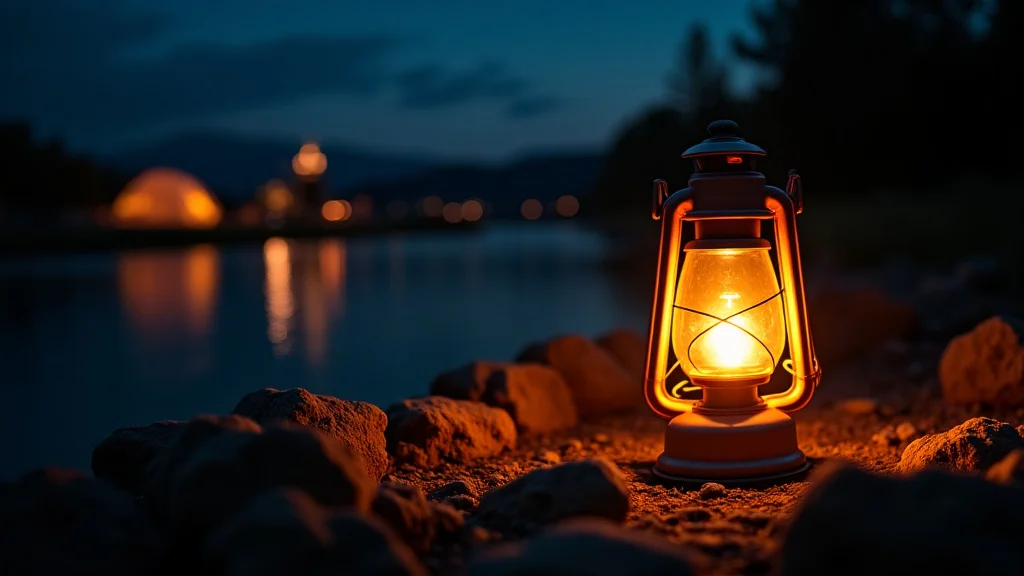
Picture this: You’re nestled deep in the woods, the stars are twinkling, and the only sounds are the crackling fire and the gentle rustle of leaves. But when darkness falls, what keeps the adventure going? The answer: reliable camping lights and lanterns. Whether you’re a seasoned outdoor enthusiast or a first-time camper, having the right illumination is essential for safety, convenience, and creating that magical campfire ambiance. This post will explore everything you need to know about camping lights and lanterns, ensuring your next trip is bright and memorable. You’ll gain valuable knowledge to choose the perfect lights for your needs, from understanding different types to picking the right features. Get ready to illuminate your next outdoor experience!
Key Takeaways
- Discover the various types of camping lights and lanterns available.
- Learn about the key features to consider when making your selection.
- Explore the benefits of LED technology for camping illumination.
- Understand the importance of brightness levels and runtime.
- Get practical advice for maintaining and troubleshooting your lights.
- Find recommendations for some of the top-rated camping lights and lanterns.
Choosing the Right Camping Lights and Lanterns
Selecting the appropriate camping lights and lanterns can feel overwhelming. With so many options, how do you know what’s best for your needs? The ideal choice depends on factors like the type of camping you do, the size of your group, and the specific activities you have planned. From headlamps to lanterns, each type offers unique advantages. Consider the light’s intensity, energy source, and durability before making a purchase. Planning ahead will guarantee you’re prepared for any situation, enhancing both safety and fun.
Types of Camping Lights
The variety of camping lights is vast. Each type serves a specific purpose, offering different levels of convenience and illumination. Knowing the distinctions between each type can help you decide which lights are most suitable for your camping style. From personal lights for individual use to area lights for shared spaces, a well-rounded selection will make any camping trip more enjoyable and safe. Many campers bring a combination of different light types to cover all their needs.
-
Headlamps: These hands-free lights are perfect for tasks that require mobility, such as hiking at night or setting up your tent. Headlamps often feature adjustable straps for comfort and various brightness settings. Many are also water-resistant or waterproof. The convenience of a headlamp allows campers to keep their hands free for other tasks, adding an extra layer of comfort and practicality to the outdoor experience.
Headlamps are essential for trail safety. A quick adjustment can illuminate your path, allowing you to see obstacles and navigate difficult terrain. Modern headlamps often feature LED technology, providing bright, efficient lighting with long battery life. Consider features such as red light modes for preserving night vision and adjustable beams for focused or broad illumination.
-
Lanterns: Camp lanterns provide general illumination for your campsite. They come in various sizes and use battery, propane, or even solar power. Lanterns are ideal for creating a central light source for cooking, socializing, or playing games after dark. Choose a lantern that provides the right amount of light for your needs and has features such as adjustable brightness and a stable base.
Lanterns are perfect for group settings. They illuminate a larger area, allowing everyone to see and interact comfortably. Some lanterns include features like hanging hooks and carrying handles for ease of use. Consider the light’s spread pattern to ensure it effectively lights up your desired space. Battery life is critical, so be prepared with extra batteries or choose a rechargeable model.
-
Flashlights: A versatile tool for illuminating specific areas or signaling. Flashlights offer a focused beam of light and are often small and easy to carry. They are very handy for spot inspections, quick searches, or unexpected situations. Consider factors such as brightness levels, the beam’s distance, and the durability of the flashlight.
Flashlights are useful for emergencies. They’re great for inspecting gear or checking dark corners. The focused beam cuts through shadows effectively. Choose a model that’s water-resistant and offers multiple lighting modes like strobe or SOS, which can be useful in emergency scenarios. Consider a rugged design for outdoor use and extended durability.
-
String Lights: These are a fun way to add ambiance to your campsite. String lights are typically battery-powered or solar-powered and can be strung around your tent, along trees, or within your campsite to give off a cozy glow. They’re popular for setting a relaxing mood and are great for recreational use.
String lights enhance the atmosphere. The soft, ambient light is perfect for creating a warm and welcoming campsite. Choose weather-resistant string lights to ensure they can withstand outdoor conditions. They’re very energy-efficient, and many models come with dimming options, allowing you to customize the lighting to your preference. Also, the lights add an aesthetic charm.
Factors to Consider Before You Buy
Buying camping lights and lanterns involves assessing several key features. Understanding these aspects will aid in making a wise decision. From brightness and energy source to durability and weather resistance, each aspect affects the light’s utility and suitability. A mindful assessment of these features guarantees that the lights align with the needs of your camping trip. Ignoring these elements may result in lights that are unsuitable or perform poorly.
-
Brightness (Lumens): Measured in lumens, brightness is critical for camping lights and lanterns. Consider the intended use of the light when determining the necessary lumen output. Headlamps and flashlights for tasks like hiking typically need a higher lumen output than lanterns, which are used to illuminate a campsite.
Brightness requirements vary with activity. For example, reading requires less brightness than searching for lost items. Evaluate the maximum lumen output of a light and its different modes. A light with adjustable brightness offers flexibility, allowing you to conserve battery life when less light is needed. Look at the lumen range of your selected lights.
-
Runtime: The runtime measures how long a light will shine on a single charge or set of batteries. Runtime is important, and lights used for extended trips need to have a longer runtime. Check the listed runtimes for different brightness settings. The more light, the shorter the time it lasts.
Longer runtimes offer peace of mind. Nobody wants a light to die in the middle of a night. Consider the activities you’ll engage in and the length of your trip when assessing runtime. Rechargeable lights offer advantages for convenience. Make sure to pack backup batteries or have a way to recharge lights when using them. Pay attention to the battery levels.
-
Power Source: Determine the best power source for your needs. Battery-powered lights are convenient and easy to use. Rechargeable lights provide cost savings and convenience. Solar-powered lights are sustainable and reduce reliance on other sources. Propane lanterns offer bright, consistent light but need fuel.
Consider the energy efficiency of your lights. LED lights use less power and extend the runtime. Rechargeable lights are suitable for repeated use. Battery-powered lights offer simplicity. Propane lanterns are very effective for area lighting. Evaluate the pros and cons of each source. Plan to carry extra batteries or a charger.
-
Durability and Weather Resistance: Camping gear is regularly exposed to harsh conditions. Opt for lights constructed from durable materials and rated for water resistance. The ingress protection (IP) rating indicates a light’s resistance to dust and water. Look for lights that are impact-resistant, with features like rugged housings and protected lenses.
Durability guarantees the longevity of your lights. Choose lights designed to withstand the rigors of the outdoors. Water resistance is critical in wet conditions. IP ratings provide insights into the light’s protective properties. A durable light provides reliability, ensuring it performs correctly in various environments. Consider the materials and the construction methods used.
Exploring LED Technology for Camping Illumination
Light-emitting diode (LED) technology has revolutionized camping lights and lanterns, providing numerous advantages over older lighting options like incandescent and fluorescent bulbs. LEDs are energy-efficient, long-lasting, and offer a range of features. Choosing LED lights can considerably improve your camping experience. LEDs are efficient, environmentally friendly, and offer a variety of features that boost outdoor adventures. Their benefits make them a favored choice for campers.
LEDs Versus Other Technologies
Compared to other light technologies, LEDs offer many benefits for camping applications. Incandescent bulbs, which are less efficient, generate much heat and quickly drain battery power. Fluorescent bulbs can be more energy-efficient, but they take time to warm up and contain mercury. LEDs, in contrast, consume far less energy, last longer, and start instantly. This comparison shows why LEDs are favored for outdoor lighting.
-
Efficiency: LEDs are far more efficient than incandescent bulbs, converting more energy into light and less into heat. This enhanced efficiency is a huge plus for battery-powered camping lights and lanterns, extending the runtime and lowering the amount of batteries needed. It ensures your lights stay on longer and helps cut down on waste.
LEDs use far less energy. This is particularly useful when camping. Less energy use means longer runtimes. Lower energy usage also leads to more convenience. You will also experience a reduced need to carry extra batteries. The efficiency of LEDs makes them a preferred choice for outdoor enthusiasts.
-
Lifespan: LEDs have exceptionally long lifespans, lasting many times longer than other light sources. This means fewer
The long life of LEDs is both economical and convenient. Less frequent replacements minimize expenses. The long lifespan of LEDs reduces the chance of equipment failure. LEDs’ reliability makes them ideal for extended trips. This reduces the hassle of replacing lights and is better for the environment.
-
Durability: LEDs are resistant to shock and vibration. They have a solid-state construction, without fragile filaments or tubes. This ruggedness makes them well suited to the outdoor setting. This is a very useful characteristic that improves the lights’ resilience and performance in the field.
LEDs’ durability is essential. The lights are better equipped to withstand accidental drops. LEDs can better endure rough handling. Their durability guarantees reliable lighting. This means fewer breakages and a longer product lifespan. It also means you won’t have to worry as much about your lights being damaged during travel.
The Advantages of Using LED Camping Lights
LEDs bring many benefits to your camping trip. Beyond their efficiency, longevity, and durability, LEDs also offer features such as adjustable brightness settings, color temperature control, and lightweight designs. These features will greatly improve your camping experience. The many benefits of LEDs will change the way you see lighting in the outdoors.
-
Adjustable Brightness: Many LED camping lights and lanterns include variable brightness settings. This allows you to adjust the light output based on your needs. For instance, you can save energy and preserve night vision with lower settings. When you require more light for tasks like cooking, you can easily turn up the brightness.
Adjustable brightness adds versatility. It provides control over light levels, letting you optimize brightness for various situations. You can balance light output with battery life. Lower settings preserve battery life. Higher settings enhance visibility when needed. This feature adds a new level of versatility to the lights.
-
Color Temperature Options: LEDs come in a variety of color temperatures. Some offer warm white light, which is more pleasant for campsite use and helps reduce glare. Other lights feature daylight white light, which helps with details and is suitable for work or searching. This allows you to customize the light to the activity or mood.
Color temperature options add to the comfort and function. Warm white light creates a cozy atmosphere. Daylight white light improves visibility. The option to choose color temperature lets you adapt the light to your needs. This feature improves the overall experience of your camping trip.
-
Lightweight Design: LEDs can be incorporated into compact, lightweight designs. LED camping lights and lanterns are easier to carry and pack. This is helpful for backpackers and campers with limited space. Their lightness does not compromise on performance, and they’re easy to manage and carry.
Lightweight designs add convenience. LEDs make your gear easier to carry. Compact designs save space in your pack. The lights are suitable for various trips. This feature makes LEDs an essential element of your camping trip.
Maximizing Your Camping Light Experience
To improve your camping light experience, it is critical to focus on factors such as selecting the right light intensity, ensuring proper runtime for your activities, and knowing how to maintain and troubleshoot your lights. These steps will make sure your camping trips are safe, enjoyable, and well-illuminated. The following will provide a practical, detailed guide on how to get the most from your lights on your outdoor trips.
Understanding Brightness and Runtime
The correct brightness and runtime are vital to enjoy your camping trip. A light that is too dim is ineffective, and one that dies quickly can be useless. Choosing the right brightness and knowing how long the light will last ensure you have enough light for your activities. Understanding these elements can improve the quality of your outdoor adventures.
-
Choosing the Right Brightness Level: Brightness is measured in lumens. When choosing lights, assess the activity and the area you intend to illuminate. Headlamps should deliver a higher lumen output for trail hiking at night, while lower settings might suffice for lighting up a tent. Make your selection by matching the lumen output of the light to the intended application.
The right brightness enhances visibility. It depends on the light’s purpose. Higher brightness suits tasks requiring more light. Lower brightness conserves battery power. Always consider your activity before selecting your light’s settings. Matching the brightness to your needs guarantees safety and optimal performance.
-
Calculating Runtime Needs: Consider how long you need the light to operate before selecting one. Longer trips require longer runtimes. The lights should last through your planned activities, such as evening cooking or nighttime hiking. Examine the runtime specifications and compare them to your trip’s duration.
Proper runtime prevents interruptions. Review the specifications. Know your anticipated daily usage. Always choose a light that meets your needs. Ensure that your lights will last for your trip. Plan for extra batteries or a method to recharge your equipment.
-
Balancing Brightness and Runtime: Some lights let you adjust brightness. This balance conserves battery power while still providing enough illumination. Use higher settings for tasks demanding more light and lower settings for general use. Optimize the settings to extend the useful duration of your lights.
Variable settings improve your camping experience. High settings offer excellent lighting when needed. Low settings conserve energy. Adjust the light output for the task. Manage your light consumption. This helps make the most of your batteries or power source.
Maintenance and Troubleshooting
Proper maintenance ensures that your camping lights and lanterns work reliably on your camping excursions. Taking proper care of your lights and addressing basic issues will ensure they’re ready for your next adventure. Taking these measures boosts the performance and longevity of your lights, giving a safe and enjoyable outdoor experience.
-
Battery Care: Regularly check your batteries. Use fresh batteries. If your lights use rechargeable batteries, make sure to keep them charged. Always dispose of your batteries responsibly. Remove batteries from the light when storing for long periods.
Proper battery care keeps your lights working. Regularly inspect batteries for corrosion. Always bring extra batteries on a camping trip. Batteries can degrade, which affects light performance. Battery management guarantees that your lights perform when you need them the most.
-
Cleaning and Storage: Clean your lights regularly. Wipe them down after each use. Remove dirt and moisture. Dry them completely before storing them. Store lights in a cool, dry place. Protect them from extreme temperatures.
Cleaning ensures the longevity of your lights. Keep your equipment in good condition. Clean lights maintain brightness. Proper storage protects lights from the elements. This guarantees that your lights will be ready for the next adventure.
-
Troubleshooting Common Issues: If your lights don’t work, first check the batteries. Make sure they are inserted correctly. Inspect the bulbs or LEDs. Look for any visible damage. Ensure all connections are secure. Check the switch. If problems persist, look for manufacturer support.
Troubleshooting is essential for resolving problems. Identify the problem by methodically checking all elements. Replace batteries, and check connections. Know your equipment. Keep the manufacturer’s instructions. This will help you identify and resolve typical problems.
Common Myths Debunked
Myth 1: Brighter is Always Better for Camping Lights and Lanterns.
In reality, the best brightness level depends on the activities you’re doing. While a very bright light can be beneficial, excess brightness can be wasteful. Overly bright lights can consume batteries quickly and can also be disruptive in the dark. It is advisable to choose lights with adjustable brightness settings, that allows you to manage light intensity according to your needs.
Myth 2: All LED Lights are the Same.
There are many differences between LED lights. Light quality, brightness, efficiency, and color temperature are examples of distinctions. The cost of LEDs reflects the quality. A high-quality LED will outperform a lower-cost model in terms of brightness, lifespan, and overall performance. Make sure to research and compare LED lights.
Myth 3: You Can’t Get Good Camping Lights Without Spending a Lot of Money.
While premium-quality lights can be more expensive, many low-cost lights offer great value. Many affordable lights deliver excellent performance for most camping trips. You may get quality lights at various price points if you prioritize essential functions, energy efficiency, and durability. Compare options and read reviews to identify the best value lights.
Myth 4: Waterproofing Doesn’t Matter for Camping Lights and Lanterns.
Water resistance or waterproofing is very crucial for outdoor lights. Camping exposes lights to rain, spills, and moisture. A water-resistant or waterproof light will continue to operate under wet conditions. This protects the light and maintains reliability. Check the light’s ingress protection (IP) rating to gauge its level of weather protection.
Myth 5: Solar-Powered Lights are Not Reliable for Camping.
Solar-powered lights have improved much in the past few years, becoming a good option. They are now more efficient and dependable, particularly in areas with abundant sunshine. Consider solar-powered lights as a sustainable and cost-effective source of light for camping if you have direct sun exposure. Check the charging time, the light’s run time, and the light’s capabilities before you buy.
Frequently Asked Questions
Question: How do I choose the right lumen output for my headlamp?
Answer: For tasks like hiking, choose a headlamp with at least 200 to 400 lumens. Lower lumen outputs, approximately 100 to 200, are suitable for setting up camp or reading.
Question: What is the best power source for camping lanterns?
Answer: This depends on your needs. Rechargeable lanterns are convenient and cost-effective, while battery-powered ones are easier to get started with. Propane lanterns provide bright, consistent light.
Question: How can I extend the runtime of my camping lights?
Answer: Use lower brightness settings when possible, opt for LED lights for higher efficiency, bring spare batteries, and use rechargeable options with a power source.
Question: What do IP ratings mean on camping lights?
Answer: IP ratings (Ingress Protection) measure a light’s resistance to solids and liquids. A high IP rating means that the light is highly protected against dust and water.
Question: What should I do if my camping lantern stops working?
Answer: Check the batteries first. Make sure they are installed correctly and are not depleted. Examine the bulb or LED for any damage. Check the switch, connections, and then consult the manufacturer’s directions.
Final Thoughts
Choosing the right camping lights and lanterns guarantees both safety and comfort on your outdoor adventures. The key is understanding the different types of lights available, from headlamps to lanterns, and knowing their individual uses. Consider crucial characteristics like brightness, runtime, and power sources. By using LED technology, you will improve your experience through greater efficiency, durability, and a variety of features. Proper selection and upkeep of your lights will ensure dependable illumination for many camping trips to come. Preparing carefully and applying the information will make your next camping trip safer, more enjoyable, and always well-lit. Get ready to illuminate your adventures and explore the wilderness with confidence!