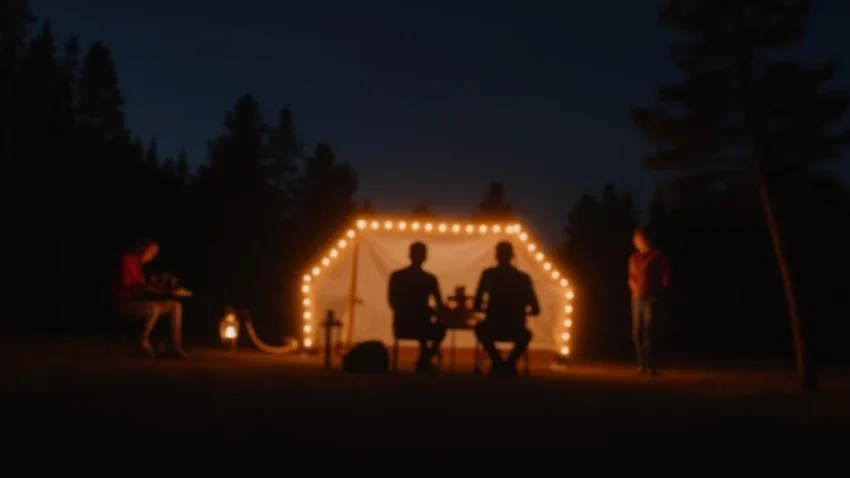
Picture this: you’ve just finished setting up camp under a starlit sky. The fire crackles, and you’re ready to relax, but the darkness is a bit much. That’s where a camping lights string comes in, transforming your campsite into a cozy, inviting space. This guide will walk you through everything you need to know about choosing, using, and enjoying these essential accessories. You’ll learn how to pick the best lights, how to set them up safely, and how to make the most of your camping trips with the perfect lighting. Get ready to illuminate your adventures and discover how camping lights string can improve your experience.
Key Takeaways
- Learn about the different types of camping light strings and their features.
- Discover how to choose the right string lights for your specific camping needs.
- Find out how to set up your lights safely and effectively in various environments.
- Explore creative ways to use camping lights to enhance your campsite atmosphere.
- Understand the importance of power sources and energy efficiency when using string lights.
- Get tips on maintaining and storing your camping light strings for longevity.
Choosing the Perfect Camping Lights String
Selecting the right camping lights string is more than just picking a pretty decoration; it’s about safety, practicality, and creating the right atmosphere. There are many options, from simple battery-powered lights to those that use solar energy. Each type has its pros and cons, and the best choice depends on your camping style and what you plan to use them for. Consider the brightness, the power source, and the durability of the lights before making your selection.
Types of Camping Light Strings
The variety of camping light strings available is impressive, each type offering unique benefits. The most common types include battery-powered, solar-powered, and those that plug into a power source, like a portable generator or a car’s charging port. Each comes with its advantages and disadvantages, so your choice should consider the power you have access to, how long you plan to camp, and your personal preferences. For instance, solar-powered lights are fantastic for eco-friendly campers, while battery-operated lights offer flexibility and are easy to use. Consider these factors when picking out your lights.
- Battery-Powered Lights: These are the most common and versatile option, running on AA or AAA batteries. They are easy to set up and use in any environment, without needing access to an electrical outlet or sunlight.
- Solar-Powered Lights: These lights use solar panels to absorb sunlight and convert it into electricity. They are ideal for campers who want an eco-friendly option or those camping in areas with plenty of sunlight.
- USB-Powered Lights: These lights can be powered by any USB port, like power banks, car chargers, or portable generators. They offer a good balance of convenience and power options.
Battery-powered camping lights string are very user-friendly. They’re ready to go right out of the package, and you don’t need any setup skills. This type is generally more affordable to purchase, but you’ll have to consider the cost of replacing batteries. You will also have to keep track of the batteries and make sure you have enough. They are great for short camping trips or if you want minimal setup.
Solar-powered camping lights string are very eco-friendly and cost nothing to run once you buy them. The initial cost can be a bit higher, and their performance depends on how much sunlight there is. This type of light is best for those camping in sunny locations and are willing to wait for the lights to charge. Always check the weather forecast to make sure there will be adequate sunlight to power your lights.
USB-powered camping lights string are a good option for those wanting something versatile. They can be charged with many different power sources, making them convenient to use. Be sure to bring a power bank if you don’t have access to a power outlet. Consider this option if you need versatility and are looking for something easy to use.
Factors to Consider Before Purchasing
When selecting a camping lights string, think about the environment you’ll be camping in. Is it likely to be wet or dusty? Will you be hiking with the lights, or setting them up in one spot? Consider the brightness you need and how long you need the lights to stay on. The quality of the materials and the ease of use are also key. These decisions can make your camping trip more enjoyable and much safer.
- Brightness and Lumens: The brightness of your lights is measured in lumens. The higher the lumens, the brighter the lights. For campsites, you will want a softer glow to create a cozy atmosphere.
- Durability and Weather Resistance: Camping gear is usually exposed to the elements, so the lights need to be durable and water-resistant. Look for lights made with sturdy materials that can handle rain, wind, and even accidental drops.
- Power Source and Battery Life: The power source impacts how easy your lights are to use and how long they will last. Battery-powered lights require you to have extra batteries, while solar-powered lights require sunlight.
- Length and Design: The length of the string lights is critical. Measure the area you want to illuminate before purchasing the lights to ensure they fit correctly. Design elements, like the shape of the bulbs, can also contribute to the overall mood.
The number of lumens needed depends on how you’ll use the lights. For instance, pathway lighting needs fewer lumens than task lighting at a picnic table. Some camping lights string also offer different brightness settings, which is a great feature for versatility. Before you pick your lights, consider how much light you need for different tasks, from reading to simply enjoying the scenery.
Camping conditions can be tough on equipment, so ensure your lights are built to last. Look for lights that have an IP rating (Ingress Protection rating) to tell you how resistant they are to water and dust. The higher the IP rating, the better protection the lights offer. Select lights that can stand up to the weather. This will reduce the risk of damage, and ensure your lighting lasts many camping trips.
The most convenient and versatile option is a power bank. Assess how long you’ll need the lights to run before selecting your option. Consider how often you will be able to recharge your lights. This planning ensures you have light throughout your camping trip. Knowing your options for power is key to having a great time.
The length of your camping lights string should suit your campsite’s size and layout. Think about how you want to set them up, whether draping them between trees, around your tent, or along a picnic table. The design of the bulbs matters too. Some bulbs are more decorative than others. Look for a design that matches your aesthetic.
Setting Up Your Camping Lights Safely
Setting up your camping lights string safely is essential to prevent accidents and ensure your lights work correctly. Always choose a safe location away from fire hazards like campfires or stoves. Make sure the lights are secured to prevent them from falling and causing injury. You want a well-lit campsite, but safety is the most important factor.
Safe Placement and Mounting
Carefully choose where to put your lights. Never place lights near any potential fire hazards, like your campfire or cooking area. Look for spots where the lights won’t be a trip hazard. Ensure you attach the lights securely. Using clips, hooks, or string can help keep them in place and prevents them from falling. These steps will prevent accidents and keep your campsite safe for everyone.
- Avoid Fire Hazards: Keep lights away from any open flames or heat sources. This reduces the risk of fire and keeps your equipment safe.
- Secure the Lights: Use clips, hooks, or twine to securely attach the lights to trees, tent poles, or other structures. This keeps them from falling.
- Check for Trip Hazards: Make sure the cords don’t create a trip hazard. If you must run cords across pathways, secure them to the ground or elevate them.
Never hang lights directly above or near a campfire, grill, or stove. The heat can melt the wiring or even cause a fire. If your campsite is windy, choose a spot sheltered from the wind. Always take the environment into account when you are setting up your lights.
Securely hanging your camping lights string helps prevent them from falling and causing injuries or damage. The attachments should be strong enough to withstand wind and other elements. Before hanging the lights, ensure that the support structure can manage their weight.
Cords are a common cause of accidents, particularly in the dark. Plan your setup so that cords are not running across walkways or high-traffic areas. If you have to put them across a walkway, use cord protectors or tape them securely to the ground. This will help prevent accidents and make your campsite safer for everyone.
Power Source Safety
When using a power source, it’s vital to follow all safety guidelines. Always use a power source that is compatible with your lights. Never overload a power outlet or extension cord. Ensure the power source is placed safely and securely. If using a generator, keep it at a safe distance from your campsite.
- Use Appropriate Power Sources: Make sure your lights are compatible with your chosen power source. Do not use an incorrect voltage or amperage.
- Avoid Overloading Outlets: Do not plug too many devices into the same outlet or extension cord. This could lead to an overload and damage your lights.
- Protect the Power Source: If you’re using a generator or other external power source, keep it in a safe location away from your campsite. This reduces noise and safety issues.
If you’re using a power bank, make sure it has enough capacity to power your lights for as long as you need them. If you’re using a generator, always read the manufacturer’s instructions. Incorrect use of power sources can damage the lights or lead to safety issues. Make sure your power source meets the lights’ requirements.
Overloading an outlet or extension cord can cause the power supply to overheat and potentially cause a fire. Check the wattage of your lights and the power source to ensure they are compatible. Always consider the total power draw of all devices connected to the outlet to prevent overload.
A safe location protects the power source from the weather and potential damage. Place it on a level surface and shield it from rain and direct sunlight. Regularly check the generator or power source for any wear and tear. Use the power source correctly by following all safety measures.
Creative Ways to Use Camping Lights
Camping lights string can do more than just provide light; they can transform your campsite into a stylish and inviting space. Experiment with how you place them to create different effects. Use them to set the mood for different activities, from casual gatherings to quiet nights under the stars. The right lighting can significantly improve your camping experience.
Setting the Atmosphere
The goal is to create a welcoming and relaxing atmosphere. For the best effect, try setting different lighting schemes. Use warm-toned lights to create a cozy feel. Try experimenting with the placement of your lights to highlight specific areas, such as the picnic table or the campfire area. The right lighting can make your camping trip more memorable.
- Accentuate Key Areas: Focus light on areas where you will be spending time, such as your cooking area, eating table, and relaxing spots.
- Create Mood Lighting: Use softer, warmer-toned lights to make a cozy and relaxed environment. Cooler colors can be effective as well.
- Drape Lights Creatively: Try draping lights around trees, along tent lines, or across the ceiling of your tent to enhance your space’s visual appeal.
Lighting key areas makes these spots both functional and inviting. Illuminate your cooking space, so you can easily prepare your meals. Hang lights around your picnic table. This provides light for dining and games. When planning your lighting setup, concentrate on the most used areas of your campsite.
Consider the mood you want to create and select your lights accordingly. Warm white lights provide a cozy and inviting atmosphere. Cooler light colors can create a more modern look, great for socializing. Choose lighting based on your goals for the camping trip.
Draping your lights in creative ways can change the whole vibe of your campsite. Swag them from tree branches, creating a canopy of light. Wrap them around tent poles or along tent lines for a unique glow. Use your imagination to create a stunning display. This will ensure your campsite is welcoming.
Incorporating Lights into Activities
Your camping lights string can be adapted to enhance various activities, making them even more enjoyable. Use them during mealtimes to create a warm and inviting atmosphere, or while playing games to make the experience more fun. Using your lights will provide a special touch to your campsite, no matter what you are doing.
- Enhance Mealtimes: Hang lights above your picnic table or eating area to create a warm and inviting dining atmosphere.
- Improve Game Nights: Make game nights more engaging by using your lights. String lights around the area to provide enough light.
- Provide Ambiance for Relaxation: Use string lights for creating a calm and peaceful setting for reading, relaxing, or stargazing.
Lighting your eating area can transform a simple meal into a special experience. Hang the lights above the table or string them across the area. Make mealtimes more pleasurable. This encourages people to linger and enjoy the company.
String lights around the area can provide sufficient light for board games or card games, making the experience more engaging. The soft light can add to the atmosphere. It will let everyone see the game and the cards. The lights will transform your game night into something special.
The gentle glow of camping lights string can contribute to the relaxing setting for these activities. The soft light promotes a relaxing mood, perfect for unwinding after a long day. String lights around your seating area for a peaceful escape.
Power Sources and Energy Efficiency
Picking the correct power source and using energy efficiently is crucial for a positive camping trip. Understand the different power sources available and choose the one that suits your needs. Consider ways to save power to make your lights last. This includes using energy-efficient lights. Knowing the power sources and how to save energy ensures you will have a good experience.
Power Source Options
You have a variety of power options to pick from. From battery-powered to solar-powered and USB options, each has its advantages. Battery-powered lights offer simplicity, whereas solar-powered lights are very eco-friendly. Choosing the right power source is essential for both your convenience and environmental impact.
- Battery-Powered: These lights are easy to use and portable, making them great for camping. Carry extra batteries to avoid running out of power.
- Solar-Powered: Solar-powered lights are eco-friendly and use solar panels to collect energy. They are suitable for camping in sunny areas.
- USB-Powered: USB-powered lights can connect to portable power banks, car chargers, or generators, offering flexibility.
Battery-powered lights are convenient and easy to use in any location. AA or AAA batteries are most common and readily available. Keep extra batteries to avoid having your lights go out. These lights are a great choice if you prioritize convenience.
Solar lights are a great option for environmentally conscious campers. They can charge during the day. This eliminates the need for batteries or electricity. Solar lights require ample sunlight. They are great for campsites in sunny locations, like the desert.
USB-powered lights provide you with versatility. You can connect them to multiple power sources, like portable power banks, car chargers, or generators. Portable power banks allow you to recharge the lights. These are perfect for campers who have access to different types of power.
Energy-Saving Tips
Power conservation will extend the life of your lights and minimize your environmental impact. Using energy-efficient bulbs, turning off the lights when not needed, and using lower brightness settings can help. These steps will make your camping lights string last and help protect the environment.
- Use LED Lights: LED lights use less energy and last much longer than traditional bulbs. They are perfect for saving power.
- Turn Off Lights When Not in Use: It seems simple, but remember to turn off the lights when not needed. This can save a lot of energy.
- Use Lower Brightness Settings: Many lights have different brightness settings. Using a lower brightness setting can save energy and reduce power consumption.
LED lights use much less energy, which will make your batteries last longer. They are also much more durable. LED lights are ideal for camping, offering both sustainability and durability. They are a good investment for your camping lights.
If you don’t need the lights, switch them off. It’s a simple step, but it is effective for conserving power. Turning off your lights when not needed ensures your lights will last longer and reduces your environmental impact.
Your lights may have dimming capabilities. Use the low settings when you can. Lower brightness will save power. Experiment with different settings to see what works best for your needs. This way, you can keep your lights on without draining your power too quickly.
Maintaining and Storing Your Camping Lights
Taking care of your camping lights string will ensure they last for many camping trips. Correct maintenance, including cleaning and proper storage, can prevent damage and extend their lifespan. Proper care will also ensure they will be ready for your next adventure. Taking these measures means they’ll be ready when you need them.
Cleaning and Care
After each camping trip, clean your lights to get rid of dirt and other debris. Carefully inspect the lights for any damage and make any necessary repairs. This will ensure your lights are ready for your next use and remain safe.
- Clean After Each Use: Wipe down the lights with a soft, dry cloth to get rid of dirt, dust, and any debris.
- Inspect for Damage: Examine the string lights for any damage, such as broken bulbs, frayed wires, or cracks.
- Make Necessary Repairs: If you find minor damage, make repairs right away. This can prevent further problems.
Cleaning your lights after each camping trip prevents dirt buildup. Dirt can damage the lights over time. Use a soft cloth to gently clean the bulbs and the wires. This will prevent damage and keep your lights working well.
Before you store your lights, thoroughly inspect them. Look for any damage. If you find any damage, repair the lights before you store them, or consider replacing them. This will ensure that your lights are safe for your next trip.
If you find minor issues, handle them immediately. Repair or replace any damaged bulbs. This prevents the problem from getting worse. If you are not comfortable making the repairs, consider taking them to a professional.
Storage Practices
How you store your lights impacts their lifespan. Proper storage protects them from damage and ensures they are ready to go for your next camping trip. It also prevents tangling and makes the lights easier to set up when you need them.
- Store in a Dry Place: Keep your lights in a cool, dry place away from direct sunlight and extreme temperatures.
- Wrap Neatly: Neatly wrap the string lights to prevent tangling and damage.
- Use a Protective Container: Place your wrapped lights in a container to protect them from dust, moisture, and potential damage.
Moisture and extreme temperatures can damage the lights. Storing your lights in a dry environment prevents corrosion and deterioration. Make sure they are completely dry before you store them. A storage box is a great option.
Wrap the lights carefully to avoid snags and broken bulbs. Wrap them around a cardboard tube or in the original packaging. This also makes them easier to unpack and set up. Neat storage makes them easier to transport and use next time.
A protective container provides an additional layer of protection. This will keep them safe when not in use. This protects your lights from any environmental factors. Choose a container that’s large enough for the lights.
Common Myths Debunked
Myth 1: Camping lights are only for decoration.
The primary function of camping lights string is more than aesthetic; they enhance safety and functionality. While they do indeed add ambiance, their value extends to providing crucial illumination in dark environments, aiding visibility around the campsite, and assisting with tasks such as cooking or navigating at night.
Myth 2: Any string lights are safe for camping.
Not all string lights are suitable for camping. Regular household string lights often lack the durability and weather resistance needed for outdoor use. Camping-specific lights are designed with features like water resistance and shock resistance, ensuring they withstand the elements and maintain safety, while general string lights are not designed for the harsh conditions of camping.
Myth 3: Brightness is the most important factor when choosing lights.
While brightness (lumens) is important, it should be balanced with factors such as energy efficiency and the desired mood. Too much brightness can be harsh. You want something that balances functionality and aesthetics. Considering how you’ll use the lights at your campsite and the desired ambience makes a huge difference. Consider all the features before deciding.
Myth 4: Solar-powered lights are always the best option.
Although solar-powered lights are eco-friendly, they depend on sunlight, which may not always be available, especially in cloudy or forested areas. Battery-powered and USB-powered lights provide consistent performance regardless of the weather conditions. The best choice depends on the specific camping environment and needs, making solar a good, but not always the best, option.
Myth 5: You don’t need to worry about storage.
Proper storage is essential. Neglecting to store camping lights carefully can lead to tangling, damage, and reduced lifespan. Careful wrapping and storage in a protective container are critical for preserving the lights and making them easier to set up when you are camping. Taking care of your camping lights string means you are extending their useful life.
Frequently Asked Questions
Question: What are the main types of camping lights?
Answer: The primary types include battery-powered, solar-powered, and USB-powered string lights.
Question: How can I choose the right brightness level?
Answer: Consider the use case; softer lights for ambiance and brighter lights for task lighting.
Question: How do I make my lights last longer?
Answer: Use LED bulbs, turn off lights when not needed, and use lower brightness settings.
Question: How should I store my camping lights?
Answer: Store them in a dry place, wrapped neatly, and in a protective container.
Question: What’s the main benefit of solar-powered lights?
Answer: They are eco-friendly and do not require external power sources.
Final Thoughts
Camping lights string can greatly enhance your camping experience, turning a simple campsite into a comfortable and inviting place. The options available offer diverse power sources, from battery and solar to USB, ensuring there is a solution for every camper. To make the right decision, you must consider factors like brightness, durability, and safety when choosing your lights. By following safety guidelines for setup and using energy-saving tips, you can maximize the enjoyment and extend the life of your lights. Remembering to clean, inspect, and store them correctly will ensure they are ready for your next adventure. With careful selection and smart practices, you can brighten your camping trips, creating memorable moments under the stars. So, equip yourself with the perfect camping lights string and set out to illuminate your adventures.