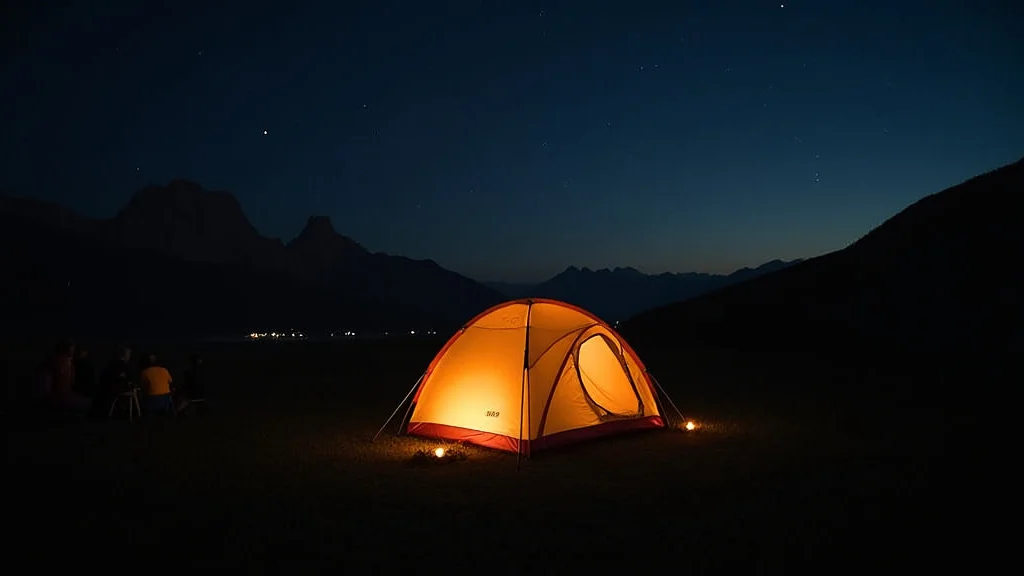
Picture this: You’re nestled in your tent, the stars are twinkling, and you reach for your flashlight. only to find the batteries are dead. Frustrating, right? That’s where led camping lights come in. They provide reliable illumination for your outdoor adventures. This guide explores everything you need to know about these lights, from different types to choosing the right one for your needs. You’ll gain valuable knowledge that will help you select the ideal led camping lights, ensure you’re prepared for any situation, and maximize your enjoyment of the great outdoors. This post will improve your camping experience and help you stay safe and comfortable.
Key Takeaways
- Learn about the various types of LED camping lights available.
- Understand the features to consider when choosing the best lights for your trips.
- Discover tips on how to properly maintain and extend the life of your lights.
- Explore the benefits of using LED technology for camping.
- Find out how to estimate the battery life and brightness needed for your needs.
- Gain insights into how to use and place your camping lights effectively.
Exploring the World of LED Camping Lights
LED camping lights have revolutionized the camping experience, offering numerous advantages over traditional lighting solutions like lanterns and flashlights. They are energy-efficient, long-lasting, and incredibly versatile. Different types of LED camping lights suit various camping scenarios, from backpacking and tent camping to car camping and larger group outings. This guide will explore the main categories, ensuring you have the knowledge to select the perfect lights for your adventures. Choosing the right LED lights will significantly improve your safety and enjoyment of the outdoors.
Different Types of LED Camping Lights
There are several types of LED camping lights, each serving a specific purpose. Knowing the differences between these types is essential to making an informed decision about which lights best suit your camping style. From simple flashlights to more elaborate lanterns and string lights, LED technology has something to offer everyone. Understanding these variations will help you choose lighting that aligns perfectly with your camping trips.
- Headlamps: These lights are worn on the head, leaving your hands free for other tasks. They’re perfect for navigating trails at night, setting up your tent, and cooking. Headlamps often feature adjustable brightness settings and beam patterns, making them versatile for various situations.
- Lanterns: LED camping lanterns provide ambient light, perfect for illuminating a campsite or the interior of a tent. They come in various sizes and brightness levels, some featuring dimming options and multiple light modes. Lanterns can be used on a tabletop, suspended from the ceiling of a tent, or placed on the ground, creating a cozy atmosphere.
- Flashlights: While headlamps and lanterns provide specific lighting solutions, flashlights are indispensable as a supplementary light source. Flashlights provide focused beams of light for spotting objects at a distance or highlighting specific areas. They are easy to carry and can be used for emergencies.
- String Lights: Decorative and functional, string lights add ambiance to your campsite. These lights are often powered by batteries or solar, offering a warm, inviting glow. They’re perfect for creating a cozy atmosphere around your tent or campsite, making them a great addition to car camping setups.
Headlamps provide hands-free illumination, a significant advantage when you need to perform tasks in the dark. The ability to adjust the beam’s focus and brightness allows you to conserve battery life and adapt to your environment. Modern headlamps often feature red light modes, which preserve night vision, making them ideal for stargazing or checking maps without disrupting your eyes’ adjustment to the dark.
Camping lanterns offer a broad spread of light, ideal for socializing, playing games, or reading. They often have sturdy designs and are water-resistant. Many lanterns also include a hook or handle for easy hanging. The warm light emitted by LED lanterns often creates a more inviting and comfortable environment than harsh, direct light sources.
Flashlights are compact and portable, making them easy to carry in a pocket or backpack. They often come with a range of features, like strobe modes for signaling, and different beam settings for various tasks. Flashlights are indispensable for safety, allowing you to signal for help or navigate dark trails when a headlamp or lantern is not enough.
String lights enhance the aesthetics of your campsite, creating a festive environment. They are typically lightweight and easy to hang, making them a simple way to personalize your camping experience. Many string lights are designed to be weather-resistant and offer multiple light modes, allowing you to tailor the ambiance to your liking. They are also energy-efficient, consuming minimal power.
Features to Consider When Choosing LED Camping Lights
When selecting LED camping lights, several features are important to consider to ensure you choose the best option for your needs. Brightness, battery life, and durability are key, as are factors like waterproof ratings and ease of use. This section will guide you through the essential features, so you can make informed decisions. Careful consideration of these aspects will help ensure that your lights perform reliably and enhance your camping experience.
Brightness and Lumens
The brightness of an LED camping light is measured in lumens. The higher the lumen rating, the brighter the light. Choosing the right brightness depends on your needs; a headlamp for hiking will require more lumens than a lantern for ambient tent lighting. Consider the activity for which the light will be used and the area you need to illuminate when deciding on the lumen output.
- High Lumens (500+): Ideal for activities requiring bright, focused light such as night hiking or navigating unfamiliar trails.
- Medium Lumens (200-499): Suitable for general camping use, such as setting up camp or reading inside a tent.
- Low Lumens (Under 200): Perfect for ambient lighting or preserving night vision. Ideal for use inside a tent or as a backup light source.
High-lumen lights are designed for maximum visibility, perfect for activities where clear sight is essential for safety. Headlamps and flashlights for such activities often incorporate high-lumen capabilities for maximum visibility. Lights with high lumen ratings consume more power, so keep an eye on battery life.
Lights with a medium lumen output offer a balance of brightness and energy efficiency, making them suitable for most camping tasks. They provide enough light for visibility without draining the battery too quickly. Lanterns with adjustable settings will offer medium lumen outputs as well as lower settings for preserving battery life.
Low-lumen lights are useful for creating a comfortable environment or preserving your eyes’ adaptation to the dark. They consume minimal power, making them ideal for use over extended periods. Lights in this range can provide a warm glow without disturbing other campers or wildlife.
Battery Life and Power Source
The power source and battery life of your LED camping lights are critical factors. You can choose lights that use batteries, rechargeable units, or solar power. Battery life varies significantly depending on brightness levels and the type of light. When selecting your lights, consider the length of your camping trip and your access to power sources for recharging.
- Battery Types: Consider the type of battery the light uses. Alkaline batteries are convenient but can be costly and need to be replaced. Lithium batteries offer longer life and better performance in cold conditions. Rechargeable batteries are environmentally friendly and more cost-effective over time.
- Rechargeable Lights: Rechargeable lights are a cost-effective choice in the long run. Consider the charging method and how long it takes to charge. Make sure that the light can be charged using a power source available at your campsite.
- Solar-Powered Options: Solar-powered lights are an environmentally-friendly choice. They may require a longer charging time. Consider the amount of sunlight you will have available at your campsite.
- Battery Life Estimation: Always check the manufacturer’s specifications for battery life. Consider the brightness setting you plan to use most frequently. It’s always best to bring extra batteries or a power bank as a backup.
The battery type you choose impacts the light’s performance and cost-effectiveness. Lithium batteries offer a higher energy density and a wider operating temperature range, making them ideal for camping. Rechargeable batteries reduce waste and can save money. Alkaline batteries are a convenient option but can be less reliable in extreme temperatures.
Rechargeable lights are an excellent choice for frequent campers, reducing reliance on disposable batteries and saving money. Most rechargeable lights have USB charging capabilities, allowing you to recharge them using a power bank or solar panel. Pay attention to the charging time to ensure it aligns with your camping plans.
Solar-powered lights reduce the need for external power sources, providing a sustainable lighting solution. The efficiency of solar charging is often affected by weather conditions and the amount of sunlight available. Solar lights are best suited for car camping or situations where direct sunlight is plentiful during the day.
Understanding the expected battery life is essential to avoid running out of power. Battery life is typically provided in hours at the maximum brightness setting. Actual battery life may vary depending on the temperature and usage. Always test your lights before you leave and bring backup power sources to be prepared.
Durability and Weather Resistance
Camping often involves exposure to the elements, so durability and weather resistance are crucial features. LED camping lights should withstand impact, moisture, and temperature fluctuations. Look for lights made from durable materials that have an appropriate IP (Ingress Protection) rating.
- Materials: Lights made of high-quality plastic or aluminum are more durable. Consider lights that have a robust construction. Look for lights that have rubberized or reinforced parts that can better handle impact.
- IP Ratings: IP ratings indicate the level of protection against solids and liquids. A higher IP rating means better protection. For instance, an IP65 rating means the light is dust-tight and protected against water jets.
- Operating Temperatures: Check the light’s operating temperature range, especially if you camp in cold climates. Cold temperatures can affect battery performance and may affect the light’s overall functionality.
Durable materials ensure your lights can withstand the rigors of camping. Aluminum is a lightweight and strong material, while impact-resistant plastics can endure bumps and drops. Rubberized components provide additional protection and a better grip, particularly when handling the lights with wet hands.
The IP rating is a measure of a light’s resistance to environmental factors. An IP65 rating is generally suitable for most camping scenarios, protecting against dust and water. If you plan to camp in particularly wet conditions, consider lights with a higher IP rating. Ensure you know the conditions you will be in before you choose your lights.
Extreme temperatures can impact the functionality of your lights. Some lights may struggle in freezing conditions or overheat in the sun. Check the light’s specifications and the conditions you will be camping in to choose a light that meets your needs. Ensure you store your lights in a climate-controlled area before your trip.
LED Camping Lights: A Practical Guide
Now that you know how to select the right lights, it’s time to understand how to use and maintain them effectively. Proper use and care will extend the lifespan of your lights and help you maximize their benefits during your camping trips. Practical tips and tricks, from extending the battery life to proper placement and storage, will ensure you have a positive experience.
Extending Battery Life
Maximizing the battery life of your LED camping lights is essential for a successful camping trip. Several practices can help extend the running time of your lights. Using these strategies will make certain that your lights last as long as possible while you’re enjoying the outdoors.
- Use Lower Brightness Settings: Use the lowest brightness setting that meets your needs. This conserves power and extends battery life significantly. Many lights have multiple brightness levels for different situations.
- Turn Off Lights When Not in Use: This sounds simple, but it is one of the most effective ways to conserve battery life. Turn off your lights when you do not need them. Get in the habit of switching them off whenever you leave your tent or campsite.
- Utilize Features Such as Timers and Motion Sensors: Some lights have timers or motion sensors that can help conserve energy. Timers automatically turn the light off after a set period, and motion sensors only activate the light when needed.
- Use Energy-Efficient Modes: Many LED camping lights have energy-saving modes, such as Eco or low-power modes. Using these modes is an excellent strategy for conserving power.
Reduce power consumption by only using the brightness you need. Lower brightness settings are ideal for general tasks. Utilizing the dimming capabilities of your lights will help you conserve battery power. When you’re camping for several nights, this small adjustment makes a big difference.
Develop good habits about switching off your lights when you’re not using them. Even leaving a light on for a short time can drain the battery. Turning off the lights when not needed helps you make your lights last the duration of your trip. Also, it’s courteous to other campers.
Timers and motion sensors will ensure that your lights only activate when necessary. Lights with these features can be especially useful for campsites. Utilizing the timer and motion sensors helps prevent the lights from being left on by accident. These features help you conserve energy effortlessly.
Energy-saving modes will make the most of the battery power. These modes reduce the brightness and power consumption. You should use the energy-saving modes when you do not need bright light. Utilizing the energy-efficient mode will extend the operational time of your lights, allowing you to use them for more days.
Proper Placement and Use
The placement and use of your LED camping lights are as crucial as their technical specifications. Correct positioning will help ensure that you can light up your campsite, make your camping experience enjoyable, and ensure you remain safe. When you get the lighting setup right, you’ll be able to create a functional and comfortable campsite. When you do not use your lights effectively, the experience is diminished.
- Headlamps: Use headlamps for tasks that require hands-free lighting, such as hiking, cooking, or setting up camp. Adjust the beam angle to illuminate your immediate surroundings.
- Lanterns: Place lanterns in a central location in your tent or campsite. Suspend them from the ceiling of your tent or place them on a table. Choose the brightness level for comfort.
- Flashlights: Keep flashlights within easy reach for emergencies or when you need focused light. Use flashlights for navigation or to inspect specific objects.
- String Lights: Hang string lights around your tent or campsite to create a decorative and functional atmosphere. Use them to mark pathways or define a gathering area.
Headlamps provide freedom of movement while illuminating your work area. Adjusting the beam angle ensures you have the right amount of illumination. Point the headlamp downwards for close-up tasks. Point the light farther for visibility on trails.
Lanterns create a warm and inviting atmosphere, providing ambient lighting. Centrally located lanterns light the entire area without any dark spots. Experiment with different placements and brightness settings to find what works best for your needs.
Flashlights are essential for emergencies and detailed inspections. Keeping a flashlight handy will help you react quickly. Using a focused beam to highlight objects is an effective use of the flashlight. Always carry a spare flashlight with you.
String lights will make your campsite aesthetically pleasing while providing ambient light. Place them along pathways or around your seating area. Make sure to secure the string lights safely to prevent any accidents. String lights transform a simple campsite into a comfortable space.
Maintenance and Storage
Proper maintenance and storage will help ensure that your LED camping lights perform well and last longer. Simple steps, like cleaning the lights and storing them correctly when not in use, are important. Adhering to these suggestions will help keep your lights in good condition and ready for your next adventure.
- Cleaning: Clean your lights after each use to remove dirt and debris. Use a damp cloth to wipe the exterior of the light. Make sure the light is completely dry before storage.
- Battery Care: Remove the batteries if you do not plan to use the lights for a long period. Store batteries separately from your lights to prevent any corrosion or leakage. Replace the batteries if you notice any signs of corrosion.
- Storage: Store your camping lights in a cool, dry place when not in use. Avoid storing the lights in direct sunlight or extreme temperatures. Keep your lights away from any sources of moisture to prevent damage.
- Regular Checks: Periodically check your lights for any signs of damage or wear. Inspect the lenses, the housing, and the battery contacts. Ensure all lights are functional before each camping trip.
Cleaning will prevent the accumulation of dirt and debris. Regularly cleaning your lights will extend their lifespan. Avoid using harsh chemicals or abrasive cleaners that could damage the light. Dry your lights before storing them.
Removing batteries during extended periods of disuse helps prevent any damage from battery leakage. Store batteries in a cool, dry place away from direct sunlight. Regularly inspect batteries for signs of corrosion.
Proper storage protects your lights. Storing your lights in a cool, dry place will prevent any damage from the elements. Keeping your lights in a protective case also helps. This will protect your lights and keep them in good condition for the next trip.
Routine checks ensure that your lights are in good working order. Inspecting your lights will help detect any problems early. If you notice any issues, repair the lights or replace them before your next adventure.
Common Myths Debunked
Many misconceptions surround LED camping lights. Several myths persist about their performance, durability, and safety. Understanding the truth about these false beliefs will help you get the most out of your lights.
Myth 1: LED Camping Lights Are Not Bright Enough
The belief that LED camping lights aren’t as bright as traditional options is outdated. Modern LED technology offers exceptionally bright options, often outperforming older technologies in terms of brightness and efficiency. LEDs can provide various brightness levels, from low-level ambient lighting to high-lumen outputs suitable for any outdoor activity.
Myth 2: LED Lights Are Fragile and Easily Broken
Another misconception is that LED lights are fragile. While some older technologies were susceptible to damage, modern LED lights are designed with durability in mind. They often have sturdy housings and impact-resistant lenses, and many are even waterproof. Modern designs are made to withstand the challenges of camping.
Myth 3: All LED Camping Lights Are Expensive
The idea that all LED camping lights are expensive is not always accurate. While premium models can be costly, several affordable options are available. The cost of LED lights has decreased over the years, making them accessible to a wide range of budgets. LED lights are often more economical long-term compared to alternatives.
Myth 4: You Need to Replace LED Bulbs Frequently
Unlike traditional bulbs, LED lights have a long lifespan, often lasting tens of thousands of hours. The thought that you need to replace LED bulbs frequently is incorrect. This long lifespan means you won’t need to worry about replacing your lights frequently. This long lifespan provides greater convenience and savings over time.
Myth 5: LED Lights Drain Batteries Quickly
The assumption that LED lights rapidly drain batteries isn’t true. LED technology is energy-efficient, using significantly less power than older types of lights. This efficiency means that LED lights will last longer on a single battery charge, allowing you more time to enjoy your camping trips.
Frequently Asked Questions
Question: What’s the best type of LED camping light?
Answer: The “best” type depends on your needs. Headlamps are great for hands-free tasks, lanterns for ambient light, flashlights for focused beams, and string lights for ambiance.
Question: How many lumens do I need?
Answer: For hiking, 300+ lumens are preferable; for setting up camp or reading, 100-300 lumens; and for ambient light, less than 100 lumens is sufficient.
Question: How long will the batteries last?
Answer: Battery life varies. Read the product specifications. Using lower brightness settings and turning lights off when not needed will extend their life.
Question: Are LED camping lights waterproof?
Answer: Some are. Check the IP rating. Higher IP ratings (e.g., IP65 or higher) indicate greater water resistance and protection against dust.
Question: Can I use solar-powered LED lights?
Answer: Yes, solar-powered LED lights are a good option, especially for car camping. Charging times can vary, so consider sunlight availability.
Final Thoughts
LED camping lights are a must-have for any camper. From headlamps to lanterns, there’s a solution for every need. When you choose the right led camping lights, you will make your camping trips more comfortable and safer. Think about the features you need, like brightness, battery life, and durability, and always think about how and where you’ll use the lights to make a decision. Proper care and storage will ensure your lights will last for years. Explore the different options and experiment with placement and usage to maximize your enjoyment of the great outdoors. With the right led camping lights, you’re all set to make lasting memories.