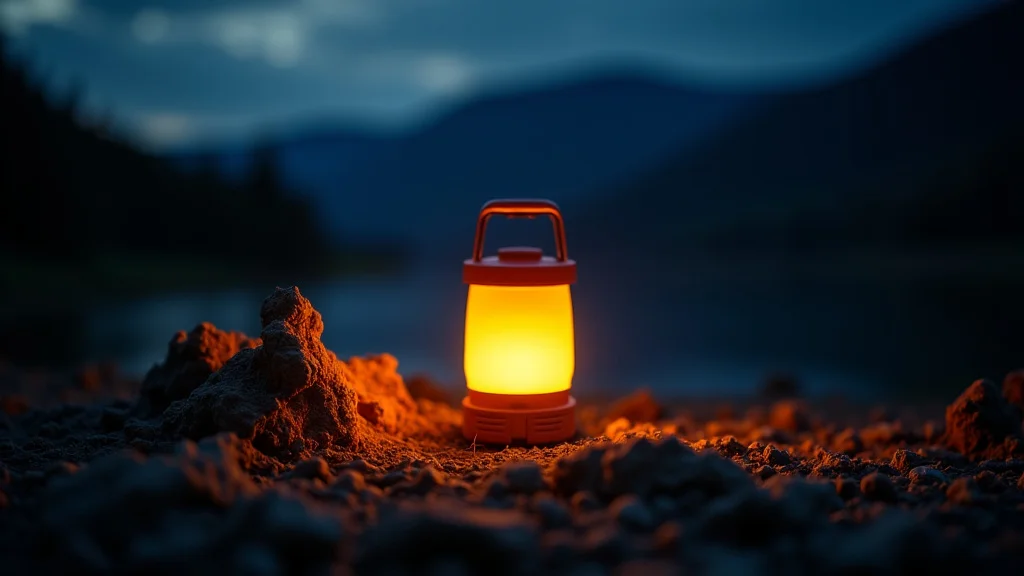
Picture this: You’re nestled in your tent, the stars are brilliant above, and you reach for your flashlight. only to find it dead. Frustrating, right? Or maybe you’re trying to cook dinner and struggle with a dim, unreliable light source. That’s where rechargeable camping lights shine. This guide explores the advantages of these lights, helping you choose the best ones for your outdoor excursions, enhancing safety, and elevating your camping experience. By the end, you’ll be able to select the perfect lights to keep your campsite illuminated and your adventures unforgettable.
Key Takeaways
- Learn about the key features to consider when purchasing rechargeable camping lights.
- Discover the different types of lights available, from lanterns to headlamps.
- Explore the benefits of using rechargeable lights over traditional battery-powered ones.
- Understand how to maximize the lifespan and performance of your lights.
- Find out how to safely and effectively use rechargeable lights in various camping situations.
- Gain insights on the best brands and models based on user reviews and expert recommendations.
Why Choose Rechargeable Camping Lights?
Camping is all about enjoying the great outdoors, but it also means dealing with darkness. Traditional battery-powered lights often fail at the worst times. They can be expensive to keep supplied with batteries, and those batteries end up in landfills, contributing to environmental damage. Rechargeable camping lights offer a more convenient and sustainable solution. They provide consistent light, are cost-effective in the long run, and significantly reduce your environmental impact.
Cost Savings and Sustainability
The primary benefit of choosing rechargeable lights is the cost savings associated with eliminating the need to frequently purchase batteries. Consider how many D-cell batteries are needed for a typical lantern. Over time, those expenses add up quickly. Rechargeable options require an initial investment, but they quickly pay for themselves by reducing recurring battery purchases. Furthermore, you’re helping the environment, which is always a bonus.
- Elimination of Battery Purchases: You do not need to buy batteries repeatedly, which provides substantial cost savings over time.
- Reduced Environmental Impact: Rechargeable lights reduce the disposal of batteries that contain hazardous materials.
- Long-Term Investment: While the initial cost can be higher, rechargeable lights are a long-term investment that provides years of use.
- Eco-Friendly Choice: Reduces waste and supports a more environmentally conscious camping experience.
Convenience and Performance
Rechargeable camping lights are designed for convenience. Most models offer various brightness settings, allowing you to adjust the light output based on your needs. They’re also often equipped with features like USB charging, allowing you to charge them with power banks or other devices, expanding usability beyond the campsite. Many have impressive run times, offering hours of light on a single charge. Some models include integrated solar panels, offering a great way to recharge when electricity is unavailable.
- Multiple Brightness Settings: Choose from a range of brightness levels to suit different situations, from reading to finding your way in the dark.
- USB Charging Capability: Conveniently recharge lights using power banks, solar chargers, or other portable charging devices.
- Extended Run Times: Many models provide several hours of continuous illumination on a single charge.
- Versatile Lighting Options: Consider integrated solar panels or other helpful features.
Types of Rechargeable Camping Lights
The market provides various types of rechargeable lights, each with unique advantages. Understanding these differences will help you choose the best lights. This part discusses popular types like lanterns, headlamps, and string lights, providing insight into their features and suitable applications.
Lanterns
Camping lanterns are a common choice for providing ambient light in a campsite. They cast light in all directions, making them ideal for illuminating a tent or a picnic area. Modern rechargeable camping lanterns often include multiple light modes, such as dimmable settings, flashing modes for emergencies, and even color options. The design varies, with some models being collapsible for easy packing.
- Ambient Lighting: Lanterns are perfect for creating a comfortable environment. They evenly distribute light throughout an area.
- Multiple Settings: Many offer various brightness levels and special modes like strobe or SOS, suitable for emergencies.
- Portability: Look for lanterns with a carry handle or a hook for easy hanging and portability.
- Durability: Choose lanterns made from robust materials to withstand outdoor conditions.
Headlamps
Headlamps offer hands-free lighting, making them perfect for activities like hiking, cooking, and setting up camp. They sit securely on your head and direct the light where you look. Rechargeable headlamps have become popular for their long battery life and convenience. They usually have adjustable straps for a secure fit and several light modes, including spot and flood beams.
- Hands-Free Operation: Ideal for any activity where you need light without holding a flashlight.
- Adjustable Brightness: Several headlamps have high and low settings to preserve battery life or provide extra light.
- Water Resistance: Select a headlamp that’s water-resistant or waterproof, especially for unpredictable weather.
- Comfort: Look for models with adjustable straps and comfortable designs for extended wear.
String Lights
Camping string lights, which are often solar-powered or USB-rechargeable, bring a festive touch to any camping spot. They can be wrapped around trees, hung inside a tent, or draped across a picnic table. They provide a soft, ambient glow and are a great way to add a touch of style. Many string lights have different lighting modes, adding a fun element to your camp setup.
- Decorative Lighting: String lights add a festive atmosphere and enhance the ambiance of the campsite.
- Versatile Placement: They can be placed almost anywhere, providing creative lighting solutions.
- Energy Efficiency: Many models utilize LED bulbs, which consume minimal power.
- Easy Setup: String lights are simple to install and come in various lengths, catering to different setups.
Key Features to Consider
Picking the correct rechargeable camping light involves considering various features to match your specific needs and preferences. The following features will help you narrow down your choices and choose the right rechargeable camping lights.
Brightness and Lumens
Brightness is often measured in lumens. The higher the number of lumens, the brighter the light. Consider the activity for which you need the light when selecting the number of lumens. For reading or setting up your tent, lower lumens might be sufficient. If you need to illuminate a larger area, higher lumen output is essential. Most lights also offer adjustable brightness settings, providing versatility.
- Lumens Explained: This is the unit of measure for light output.
- Activity-Based Choices: Pick lights with higher lumens for tasks needing more light, like nighttime hiking. Choose lower settings for activities like reading.
- Adjustability: Look for adjustable brightness settings to cater to different situations and save battery life.
- Beam Type: Understand the difference between spot and flood beams. Spot beams concentrate the light in a small area, while flood beams spread the light over a larger area.
Battery Life and Run Time
Battery life and run time are critical factors. You want a light that will last throughout your camping trip without needing to be recharged constantly. Pay attention to the light’s run time at different brightness settings. The higher the brightness, the shorter the run time. Check the battery capacity, usually measured in milliampere-hours (mAh). Larger mAh values mean longer run times. Consider how the light is charged (USB, solar, etc.) and the charging time.
- Battery Capacity (mAh): A larger mAh value typically provides a longer run time.
- Run Time at Different Settings: Assess the run time at various brightness levels to match it to your needs.
- Charging Methods: Check the methods the light supports; USB charging is the most popular, while some include solar charging.
- Charging Time: See how long it takes to charge the light to plan your charging schedule while camping.
Durability and Water Resistance
Camping lights should be durable enough to withstand the rough conditions. Look for lights constructed from robust materials that resist impact, such as high-grade plastics or aluminum. Water resistance is also important, particularly if you camp in areas where rain or moisture is prevalent. Check the light’s IP (Ingress Protection) rating; a higher IP rating means better protection against water and dust. Consider features like sealed compartments and reinforced housings.
- IP Ratings Explained: An IP rating, such as IPX4, indicates how well a light resists water and dust. The first digit refers to solid particle protection, while the second digit indicates liquid ingress protection.
- Impact Resistance: Check for lights that are made of strong materials to withstand drops and knocks.
- Water Resistance Levels: Consider the levels of water resistance to match your camping environment. For example, some lights are splash-proof, while others can handle being submerged in water.
- Construction Materials: Durable materials like sturdy plastic or aluminum help the lights last.
Ease of Use and Portability
Easy-to-use lights are essential for enjoyable camping. Look for intuitive controls, such as easily accessible buttons and clear indicator lights. Consider the size and weight of the light, especially if you plan to hike. Lights with built-in hooks, handles, or clips improve portability. Think about how easy it is to operate the light with gloves on, especially in colder conditions. Some lights have remote controls or smartphone integration for convenience.
- Intuitive Controls: Clear, easy-to-use buttons and interfaces help operate the lights, even in the dark.
- Compact Design: Small, light lights are easier to carry, especially for hiking trips.
- Portability Features: Consider lights with a handle, hook, or clip.
- Additional Features: Check for remote controls or smartphone integration.
Choosing the Right Light for Your Needs
Selecting the ideal rechargeable camping light relies on understanding your specific camping style and activities. The activities you frequently enjoy when camping will help you determine the kind and features of lights needed. Consider the intensity of light required, duration of use, and whether you need hands-free lighting.
Solo Camping
For solo camping, portability and efficiency are significant. A headlamp is perfect for hands-free illumination while setting up camp, cooking, or hiking. A compact lantern could be ideal for providing ambient lighting inside your tent or at your campsite. Choose lights with long battery life or the ability to charge via power banks or solar panels, as you won’t have others to share resources with. Reliability is key when you’re on your own.
- Headlamp: Choose a headlamp for hands-free light during setting up camp and nighttime activities.
- Compact Lantern: Select a small lantern for providing ambient light inside or around your tent.
- Battery Life: Look for lights with long battery life to last the duration of your trip without recharging.
- Charging Options: Portable charging options, like USB charging or solar panels, are essential for independent camping.
Family Camping
When camping with family, consider the needs of multiple people. A bright lantern is excellent for illuminating a campsite or dining area. Headlamps are perfect for each family member to have their light. Think about safety features like flashing modes for emergencies. Durability is essential, as the lights will likely endure more wear and tear. Having multiple lights of different types makes the camping trip more fun and safe for everyone.
- High-Powered Lantern: Consider a bright lantern for overall site illumination.
- Individual Headlamps: Provide each family member with a headlamp for personal lighting needs.
- Safety Features: Look for lights with emergency modes such as SOS.
- Durability: Choose durable lights that withstand being handled by children.
Backpacking
For backpacking, weight and size are essential. A lightweight headlamp is a must-have for hiking and navigating in the dark. A small, packable lantern or string lights can bring a little comfort to your campsite without adding much bulk. Consider lights with high lumen output and long battery life. Solar-charging capabilities are an asset to extend the use of the lights. Ensure that the lights are water-resistant and built to endure rough handling.
- Lightweight Headlamp: Choose a lightweight and compact headlamp for hiking and camp activities.
- Small Lantern: A small, packable lantern can provide ambient lighting without adding too much weight.
- Battery Efficiency: Select lights with the best battery life-to-weight ratio to maximize run time.
- Water Resistance: Prioritize water-resistant lights, as conditions can change rapidly when hiking.
Maximizing Your Rechargeable Camping Lights
To get the most out of your rechargeable camping lights, it is essential to follow some best practices. Proper maintenance and storage can increase the lifespan of your lights and help you avoid problems during your outdoor adventures. Furthermore, following certain steps will optimize the lights’ performance while camping.
Care and Maintenance
Correct care and maintenance will ensure that your lights last for a long time. Regularly clean your lights to get rid of dust and dirt. When cleaning the lights, follow the manufacturer’s directions. Avoid using harsh chemicals that could damage the housing or lenses. Store the lights in a cool, dry place when not in use. Avoid storing them in direct sunlight or extreme temperatures, which can harm the batteries. Charge the lights regularly, even if you are not using them, to keep the batteries from degrading.
- Regular Cleaning: Clean the lights after each use using a soft, damp cloth.
- Proper Storage: Store lights in a cool, dry location to prevent damage from the elements.
- Battery Care: Charge batteries regularly to stop them from deteriorating.
- Check for Damage: Inspect lights for any damage before use, such as cracks in the casing or damage to the charging ports.
Charging and Battery Life Tips
Proper charging and battery management extend the life and optimize the performance of your camping lights. Always follow the manufacturer’s charging instructions. Use the right charger for the lights. Avoid overcharging the batteries, as it can reduce their lifespan. When storing the lights for an extended period, charge them to around 50% capacity. This balance helps keep the battery from degrading during storage. Monitor the remaining battery levels while camping. Knowing the power status helps you avoid unexpected power outages.
- Use the Correct Charger: Always use the charger supplied or recommended by the manufacturer.
- Avoid Overcharging: Overcharging reduces battery life; unplug the lights once they are fully charged.
- Storage Conditions: Store lights with around 50% charge to ensure battery integrity during off-season periods.
- Monitor Battery Levels: Regularly check the battery level during your camping trips.
Using Lights Safely
Safety should be a top priority when using rechargeable camping lights. Always read and follow the manufacturer’s instructions. Avoid looking directly into the light source, as it could cause temporary eye damage. Use the appropriate light settings for your environment. Avoid using lights near flammable materials. Keep lights out of children’s reach. Never try to repair a light if it is damaged; instead, follow the manufacturer’s instructions.
- Read the Instructions: Read the light’s instructions and ensure you know how to operate it.
- Avoid Direct Eye Contact: Do not look directly into the light’s beam.
- Use Lights Wisely: Choose the appropriate light mode and brightness for your activity.
- Keep Out of Reach: Keep the lights out of the reach of children.
Common Myths Debunked
Myth 1: Rechargeable Lights Are Not as Bright as Battery-Powered Lights.
In the past, this was true, but current technology has advanced dramatically. Modern rechargeable camping lights can be just as bright as battery-powered models. In many cases, they can even be brighter due to the availability of advanced LED technology and higher power outputs. Many rechargeable lights offer adjustable brightness settings, enabling you to choose the perfect light output for your needs.
Myth 2: Rechargeable Lights Are Expensive.
While the initial cost can be higher, rechargeable lights are often more economical over the long term. You save money by eliminating the constant need for batteries. Over the course of their life, rechargeable lights will save you more than battery-powered versions. Also, consider the cost of waste removal for used batteries.
Myth 3: Rechargeable Lights Are Complicated to Use.
Modern rechargeable camping lights are designed for ease of use. Most feature simple controls, often with just a few buttons, and clear indicators to display battery status and modes. Many lights now offer USB charging, making it easy to charge them with power banks or other devices, adding to their convenience and usability in various situations.
Myth 4: Rechargeable Lights Don’t Last Very Long.
This is often untrue. The run time on some rechargeable camping lights can be several hours on a single charge. High-capacity lithium-ion batteries and efficient LED technology ensure longer run times. Moreover, with the ability to charge using power banks or solar panels, run times can be increased when on outdoor adventures.
Myth 5: Rechargeable Lights Cannot Withstand Harsh Weather.
Many rechargeable lights are specifically designed to be durable and weather-resistant. They are often made with impact-resistant materials. Many lights are waterproof or water-resistant, protecting them from rain, snow, and moisture. Always check the light’s IP rating for protection.
Frequently Asked Questions
Question: How long does it take to charge a rechargeable camping light?
Answer: This varies depending on the light and the charging method. Generally, it takes anywhere from a few hours to a full day to charge a light.
Question: Can I charge my camping light using a solar panel?
Answer: Yes, many rechargeable camping lights include a USB port for charging with a solar panel. Some lights even have built-in solar panels.
Question: What is an IP rating, and why is it important?
Answer: The IP rating indicates the level of protection a light has against solids and liquids. For example, a light with an IPX4 rating is water-resistant.
Question: How do I extend the battery life of my rechargeable light?
Answer: You can extend battery life by using lower brightness settings when possible and turning off the light when not needed.
Question: Can I replace the battery in my rechargeable camping light?
Answer: Many modern rechargeable camping lights have sealed battery compartments, and the batteries cannot be changed. This is another reason to opt for quality lights from reputable brands.
Final Thoughts
Choosing the best rechargeable camping lights can greatly improve your outdoor experiences. From providing essential illumination to enhancing your camping atmosphere, the correct lights can make a huge difference. By considering aspects such as brightness, battery life, durability, and the type of light you need, you can select lights that suit your needs. Do not let outdated thinking about old batteries limit your fun. Rechargeable lights are now more accessible, more efficient, and more effective. Consider the tips and information provided to maximize your lights’ performance, and ensure your camping trips are well-lit, enjoyable, and environmentally conscious. Get prepared to explore the outdoors with the perfect illumination to brighten your adventures!