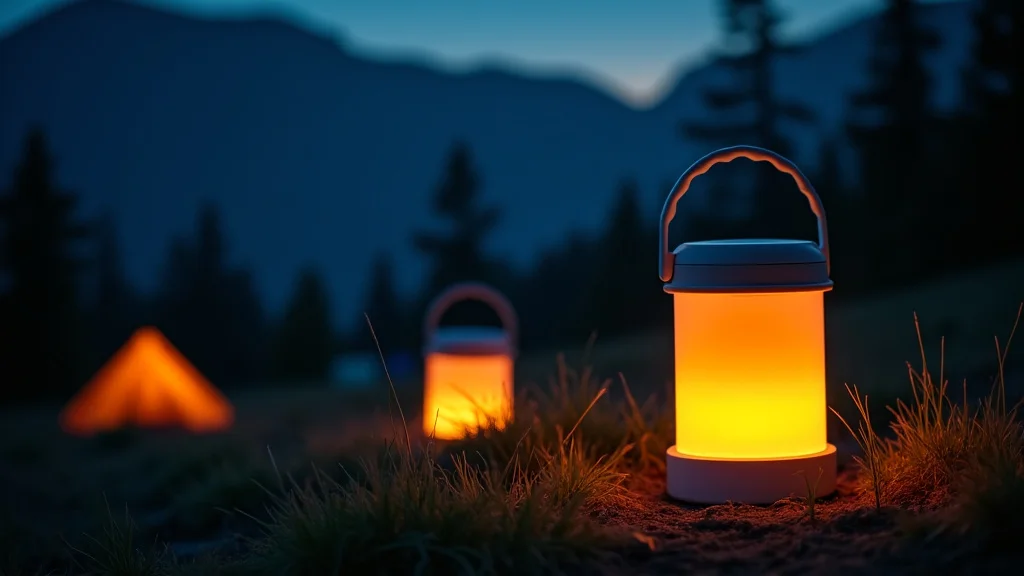
Picture this: you’re miles away from civilization, under a canopy of stars, enjoying the peace and quiet of the great outdoors. But as the sun dips below the horizon, darkness creeps in. Traditional lanterns and flashlights often require batteries, which can be a hassle to manage when camping. What if there was a better way to light up your evenings? Enter the world of solar camping lights. This post will give you a detailed view of these convenient and eco-friendly lighting solutions, making your camping experiences easier and more enjoyable. You’ll learn about different types, how they work, and what to consider when choosing the best ones for your needs. This should give you confidence to light your way while camping.
Key Takeaways
- Discover the benefits of using solar-powered lights for camping.
- Learn about the different types of solar camping lights available.
- Explore the key features to consider when selecting solar camping lights.
- Understand how to care for and maintain your solar camping lights.
- Find out how to maximize the lifespan and efficiency of your solar lights.
- Get tips for using solar camping lights safely and effectively.
Embrace the Power of the Sun: Solar Camping Lights Explained
Solar camping lights harness the power of the sun to provide illumination. They’re a fantastic alternative to battery-powered or fuel-based lighting, offering a sustainable and convenient way to brighten your campsite. These lights generally consist of solar panels that absorb sunlight, a rechargeable battery to store the energy, and LED bulbs that emit the light. The process is straightforward: the solar panel converts sunlight into electrical energy, which charges the battery. When you need light, the battery powers the LED, providing bright and efficient illumination. This technology is becoming increasingly popular among campers due to its environmental friendliness, ease of use, and cost-effectiveness. The best part? You’re not tied to any power grid and can simply let the sun do its job.
The Science Behind Solar Power
The core of solar camping lights is the solar panel, often made of silicon. This panel is composed of photovoltaic (PV) cells. When sunlight hits these cells, it creates an electrical current through a process called the photovoltaic effect. This effect occurs when photons (light particles) strike the PV cells, causing electrons to move and generate electricity. This electricity is then used to charge a battery. The batteries in these lights typically are lithium-ion or nickel-metal hydride, chosen for their ability to store the electrical energy efficiently. This stored energy is then used to power the LED lights when needed. It’s a clean, efficient, and renewable energy source, perfect for off-grid adventures.
- Photovoltaic Cells: These are the building blocks of solar panels. They convert sunlight directly into electricity using the photovoltaic effect. The effectiveness of these cells determines how well the solar panel captures and converts sunlight.
- Rechargeable Batteries: The electricity generated by the solar panel is stored in rechargeable batteries. Lithium-ion batteries are common because of their high energy density and long lifespan.
- LED Bulbs: LED (Light Emitting Diode) bulbs are very energy-efficient, using less power than traditional bulbs. They are durable, long-lasting, and provide bright, clear light, making them ideal for camping.
- Solar Panel Types: There are different types of solar panels, including monocrystalline and polycrystalline. Monocrystalline panels are generally more efficient, converting a higher percentage of sunlight into electricity, even in low-light conditions. Polycrystalline panels are typically less expensive but might not be as efficient.
Components of Solar Camping Lights
A typical solar camping light comprises several key elements that work together seamlessly. Understanding these components can help you make informed decisions when buying one. The most visible part is the solar panel, which is often a small, rectangular component integrated into the light’s design. The light itself usually features LED bulbs, chosen for their energy efficiency and long lifespan. The housing, which can be made of durable plastic or metal, protects the internal components from the elements. A crucial element is the battery, which stores the energy generated by the solar panel, allowing the light to function even when there is no sunlight. Finally, many solar camping lights also come with additional features such as a USB charging port, multiple lighting modes, or a hanging loop for easy placement.
- Solar Panel: This is the part of the light that captures sunlight and converts it into electricity. The size and efficiency of the solar panel affect how quickly and effectively the light charges. The panel’s placement is key; for maximum efficiency, they should face the sun directly, though modern panels will still collect energy even if they are placed at a slight angle.
- Battery: The battery stores the electricity generated by the solar panel. The capacity of the battery determines how long the light can operate on a single charge. Larger batteries provide longer run times, which is essential for extended camping trips.
- LED Bulbs: LED bulbs are known for their efficiency and long lifespan. They use a lot less energy than traditional incandescent bulbs, which extends the battery life of the light. They also produce less heat, reducing the risk of fire or damage to the light.
- Housing: The housing protects the internal components of the light from the elements. This housing can vary in materials, from plastic to metal, depending on the price range. Look for lights that are weather-resistant and rugged, especially if you plan on using them in rough conditions.
- Control Panel/Features: Many solar camping lights now have various modes and settings. These might include different brightness levels, strobe modes, or even a USB charging port for phones or other devices. These added features can be really useful when camping.
Types of Solar Camping Lights
The market has a wide selection of solar camping lights, each designed for different purposes and preferences. These lights are available in various shapes, sizes, and functionalities to meet the diverse needs of campers. Whether you’re looking for a bright area light to illuminate your campsite, a compact lantern for your tent, or a portable flashlight for hiking, there’s a solar camping light to suit your needs. From simple, basic models to those with advanced features like multiple lighting modes and USB charging capabilities, exploring these different types is key to choosing the right option for your adventures. Knowing the differences can help you focus your search.
Solar Lanterns
Solar lanterns are a popular option because of their soft, diffused light, ideal for creating a comfortable campsite environment. They typically feature a cylindrical or boxy design and are equipped with multiple LEDs that provide a wide area of illumination. Many solar lanterns include adjustable brightness settings, so you can tailor the light output to your needs. Some also come with features like a hanging hook, making it easy to suspend them from a tree branch or tent roof. Their design is usually weather-resistant, able to withstand outdoor conditions. They’re perfect for setting up a relaxing atmosphere at the campsite, making them a must-have for any camping trip.
- Design: Solar lanterns come in various styles, from classic globe shapes to more modern, boxy designs. The design will often dictate the type of light they provide.
- Brightness: They typically offer adjustable brightness settings. Choose lanterns with multiple brightness levels.
- Durability: Look for lanterns made from weather-resistant materials to withstand rain, wind, and other outdoor elements.
- Run Time: Run time depends on the battery size and brightness setting. Larger batteries and lower brightness settings extend run time.
- Additional Features: Many lanterns have added features like a hanging hook, USB charging ports, and multiple light modes (e.g., strobe, SOS).
Solar Flashlights
Solar flashlights are a practical and compact option for campers who want a portable light source. These flashlights are typically small and lightweight, making them easy to carry on hikes or keep in a backpack. They offer focused, directional light, perfect for illuminating trails or searching for items in the dark. These flashlights often feature a rugged design, built to withstand the bumps and drops that can occur during outdoor activities. Many models also include a built-in solar panel for convenient charging, allowing you to top up the battery even when you’re away from a power source. They are essential for any camper.
- Size and Weight: Solar flashlights are typically small and lightweight for easy portability. Their size directly affects the brightness and the battery capacity.
- Brightness: They provide focused, directional light. Measure brightness in lumens. Higher lumens mean a brighter beam of light.
- Durability: Rugged design is important because it can be exposed to outdoor elements. Look for flashlights made from durable materials.
- Run Time: The run time will vary depending on the battery size and brightness level. Consider flashlights with a long run time for extended use.
- Beam Type: Choose a flashlight with a beam type that suits your needs. Spot beams are ideal for long-distance illumination, while flood beams provide a wider area of light.
Solar String Lights
Solar string lights can add a touch of fun to your campsite. They typically consist of a string of small LED bulbs powered by a solar panel. These lights are ideal for decorating your tent, campsite, or picnic area, creating a warm and inviting atmosphere. They are easy to set up, usually requiring nothing more than hanging the string lights where you want them and placing the solar panel in direct sunlight. Because they use solar power, string lights are an energy-efficient and eco-friendly lighting solution. They are the perfect way to add charm to your camping experience.
- Length and Number of Bulbs: Measure the length and number of bulbs. Longer strings with more bulbs create more ambient light.
- Light Colors and Modes: They often come with different light colors and modes. Choose options with adjustable settings to match your desired aesthetic.
- Durability and Weather Resistance: String lights should be weather-resistant to withstand outdoor elements. Look for waterproof or water-resistant options.
- Solar Panel Placement: Place the solar panel in an area with direct sunlight to ensure optimal charging. Choose a location where the panel won’t be shaded by trees or other objects.
- Ease of Setup: String lights are generally very easy to set up. Look for ones that are easy to hang and position around your campsite.
Choosing the Right Solar Camping Lights
Selecting the right solar camping lights is essential for ensuring a positive and safe camping experience. Many factors come into play, from the type of light you need to the features that fit your lifestyle. Considering factors like brightness, battery life, durability, and additional features like charging ports, can really make a difference. Taking the time to consider your personal needs and preferences will help you pick lights that fit your camping style. This will help you find the best lights for your trips.
Brightness and Lumens
Brightness is measured in lumens. The higher the lumen count, the brighter the light. For general campsite illumination, a lantern with 200-500 lumens should be sufficient. For tasks that require more detailed light, such as reading or working around the campsite, you might consider a lantern with a higher lumen output, or a separate flashlight. When choosing a solar camping light, consider the range of brightness levels it offers. The ability to adjust the brightness can help you conserve battery life while providing the right amount of illumination. Selecting the right light output is key.
- Lumens vs. Watts: Lumens measure the amount of light emitted, while watts measure the energy used. Focus on lumens to understand the light’s brightness.
- Brightness Levels: Lights with multiple brightness levels offer versatility. Dimmer settings conserve battery life.
- Light Distribution: Consider the light distribution of the lamp. A lantern provides a wide spread, while a flashlight provides a focused beam.
- Task-Specific Brightness: Choose the brightness based on the intended use. Lower lumens for ambient light; higher lumens for specific tasks.
- Personal Preference: Consider your comfort levels. Some people may prefer brighter lights, while others prefer softer illumination.
Battery Life and Charging Time
Battery life is critical when choosing solar camping lights, especially when camping in areas with limited access to power. Look for lights with a long run time on a single charge. This can be critical during extended camping trips. The charging time is also important; consider how long it takes for the solar panel to fully charge the battery. This may depend on the size of the solar panel and the intensity of the sunlight. Some lights also come with the option to charge via USB, which can be useful as a backup in case of low sunlight conditions. Balancing battery life and charging time ensures that you have reliable lighting throughout your camping experience.
- Battery Capacity: Look for lights with high-capacity batteries, measured in mAh (milliampere-hours). Higher mAh ratings mean longer run times.
- Run Time on Various Settings: Check the light’s run time on each brightness setting. Higher brightness settings use more power and reduce run time.
- Charging Time: Solar charging time depends on the solar panel’s efficiency and the amount of sunlight available.
- USB Charging Capability: USB charging provides a backup option. It will also charge in cloudy conditions.
- Battery Type: Lithium-ion batteries are common due to their long lifespan and high energy density. Nickel-metal hydride batteries are another option, though lithium-ion is preferred.
Durability and Weather Resistance
When selecting solar camping lights, look at durability and weather resistance. Camping lights are frequently exposed to rain, wind, dust, and potential drops, so their construction is important. Lights made with durable materials can withstand these challenges. Look for lights that have a high Ingress Protection (IP) rating. An IP rating indicates the light’s level of protection against solids and liquids. A high IP rating ensures that the light can perform in challenging environments. Robust construction can extend the life of your solar camping lights.
- Material Quality: Choose lights made from sturdy materials like high-quality plastics or aluminum. These materials can withstand the wear and tear of outdoor use.
- IP Rating: IP ratings measure the level of protection against solids and liquids. Look for lights with a high IP rating, such as IP65 or higher, for optimal weather resistance.
- Drop Testing: Some manufacturers conduct drop tests to evaluate durability. Consider lights that have been drop-tested to ensure they can survive accidental impacts.
- Environmental Conditions: Consider the conditions. Lights that will be exposed to extreme weather should have higher levels of durability.
- Warranty: A solid warranty will tell you how confident the manufacturer is about a product’s construction. Look for lights with warranties.
Additional Features
Many solar camping lights come with added features designed to increase convenience and functionality. Consider features like USB charging ports to charge your phone or other devices, especially when you don’t have access to other charging options. Some lights have multiple lighting modes, such as strobe or SOS signals, which can be useful in emergency situations. The presence of a hanging hook or magnetic base can also add value. These features can increase the usability and usefulness of your camping lights. Understanding these features will help you pick the best lights.
- USB Charging Ports: The ability to charge devices is very helpful. Consider lights that include USB charging ports.
- Multiple Lighting Modes: Lights with different lighting modes, like strobe or SOS, can be useful. Consider lights with multiple lighting modes.
- Hanging Hooks and Magnetic Bases: These features increase versatility. Hanging hooks make it easy to hang lights, while magnetic bases allow you to attach them to metal surfaces.
- Remote Control: Some lights come with remote controls, allowing you to control brightness, modes, and other settings from a distance.
- Motion Sensors: Motion sensor features are beneficial for security. Some lights can detect movement and automatically turn on.
Maximizing the Performance of Solar Camping Lights
To get the most out of your solar camping lights, it is important to know how to maximize their performance. This includes properly charging and maintaining them and understanding their limitations. Proper maintenance and care will not only keep your lights working properly, but it will also extend their life. By using these practices, you can ensure that your solar lights continue to light your way on all your camping adventures. Regular care will help ensure that you get the most out of your solar camping lights.
Proper Charging and Placement
Proper charging is the key to maximizing your solar camping lights. Before your first use, fully charge the light, typically by placing it in direct sunlight for a set time, as indicated by the manufacturer. Place the solar panel in a location where it receives direct sunlight for the most part of the day. Avoid shaded areas or locations where the panel may be partially blocked by trees or buildings. Keep the solar panel clean by wiping it down regularly with a soft cloth to remove dust and debris. This will help maintain optimal charging efficiency. Make sure that the panel is positioned at the right angle to capture the sun’s rays effectively. Proper charging habits and the correct panel placement will extend the battery life.
- Direct Sunlight: The best charging is in direct sunlight. Make sure the solar panel is exposed to as much direct sunlight as possible.
- Angle of the Panel: The panel’s angle is important. Adjust the panel’s angle to capture sunlight.
- Cleaning the Panel: Clean the panel regularly. Use a soft cloth to wipe away dust, dirt, and debris that might be on the panel’s surface.
- Initial Charging: Fully charge the light before its first use. This helps to activate the battery and ensures peak performance from day one.
- Storage: When storing your solar camping lights for extended periods, charge them fully beforehand. Recharge them every few months to maintain battery health.
Maintenance and Care
Regular maintenance is essential to keep your solar camping lights working well. Check for dirt or debris on the solar panel and clean it regularly with a soft, dry cloth. This will ensure that the panel receives adequate sunlight. Inspect the light’s housing for damage, such as cracks or loose parts. Check the battery compartment for corrosion or leaks. Ensure all seals are intact to prevent water damage. When storing your lights for an extended period, ensure that they’re fully charged and stored in a cool, dry place. Following these simple steps will extend the life and efficiency of your solar camping lights. Proper care guarantees years of dependable light.
- Cleaning: Clean the solar panel regularly. Use a soft cloth to wipe away any dust, dirt, or debris that might gather on the panel’s surface.
- Inspection: Inspect the light. Regularly check the housing for any damage, such as cracks or loose components.
- Battery Care: Battery health affects how long a light will work. Avoid storing the light with a fully discharged battery for a long period.
- Storage: Store your solar camping lights in a cool, dry place. Avoid storing them in direct sunlight.
- Troubleshooting: If your light isn’t working as expected, check the charging conditions, the battery connection, and the LED bulb. Replace if needed.
Understanding Limitations
Solar camping lights offer several benefits, but they do have limitations to consider. The light output and operating time are directly affected by the amount of sunlight. On cloudy days or in shaded areas, the lights might not charge fully, which can reduce their run time. Battery life also diminishes over time. Consider these limits when planning a camping trip. Some lights may not perform as well in very cold or hot environments. Keeping these considerations in mind will help to manage expectations and ensure a positive camping experience. Knowing the limitations can prevent you from being disappointed.
- Weather Dependence: Solar lights rely on sunlight to charge. Performance can be affected by weather, reducing run time on cloudy days.
- Battery Degradation: Over time, the battery’s capacity will decrease. This impacts the light’s run time.
- Charging Time: Charging times can vary depending on sunlight intensity. Be sure to consider this when planning.
- Temperature Sensitivity: Extreme temperatures affect the lights’ performance. Cold temperatures can reduce battery capacity and affect overall output.
- Brightness: Solar camping lights might not be as bright as some other light sources. Match your light source to your needs.
Safety and Responsible Use
Using solar camping lights safely is important. Following some simple guidelines will help prevent accidents and make sure your camping experience is safe and enjoyable. These lights are very safe to use, but there are certain practices that can enhance safety and prevent damage. Make sure your camping lights are used responsibly, to protect the environment and make sure future campers can also enjoy the outdoors. By taking a few safety steps, you can use your lights safely and protect both yourself and the environment.
Safe Handling and Usage
Safe handling and usage of solar camping lights include a few key practices to ensure safe operation. Always follow the manufacturer’s instructions. Avoid exposing the lights to extreme temperatures. Never attempt to disassemble or repair the lights yourself. If the light gets damaged, seek help from a professional. Keep the lights away from flammable materials and sources of ignition. Check the lights for any signs of damage before each use. Store your lights properly when not in use. Following these safety steps will ensure your lights are used properly.
- Read the Instructions: Read the instructions from the manufacturer. Familiarize yourself with the light’s features and safety guidelines.
- Inspect Before Use: Check the light for damage before each use. Look for cracks, loose parts, or any other signs of wear and tear.
- Avoid Extreme Temperatures: Never expose the lights to extreme heat. Do not use them in environments where they might overheat.
- Keep Away from Flammable Materials: Keep the lights away from any flammable materials, such as gas, gasoline, or other fuels.
- Proper Storage: When not in use, store your solar camping lights in a safe, dry place, away from sunlight and moisture.
Environmental Considerations
Using solar camping lights is an environmentally friendly choice, but there are more ways to reduce the impact. When disposing of old lights, make sure to follow local regulations for recycling electronic waste. Do not leave the lights or their packaging behind at your campsite. Make sure that you pack out all trash and leave the area as clean as you found it. Whenever possible, buy lights from companies that follow sustainable practices and use eco-friendly materials. By making these decisions, you can play a part in promoting sustainability. These small steps can make a big difference.
- Recycling: Properly dispose of old lights. Recycle old solar camping lights and their batteries according to local regulations.
- Packaging: Reduce waste. Choose lights with minimal packaging, and always recycle the packaging materials.
- Leave No Trace: Take care when using solar lights at your campsite. Leave the area as clean as it was before.
- Eco-Friendly Brands: Support companies that commit to sustainability. Choose brands that focus on eco-friendly practices.
- Conserving Energy: Use the lights efficiently. Use lower brightness settings and turn them off when not needed.
Common Myths Debunked
Myth 1: Solar Camping Lights Are Not Bright Enough
Many believe that solar camping lights aren’t as bright as traditional battery-powered or fuel-based alternatives. However, modern solar lights have greatly improved. Many can provide enough light for a variety of tasks, from lighting up a campsite to reading at night. Advancements in LED technology and battery efficiency have allowed for brighter lights. The brightness can also be controlled using multiple settings.
Myth 2: Solar Lights Don’t Work on Cloudy Days
People think solar lights won’t charge in cloudy conditions. While the amount of sunlight affects charging efficiency, solar panels can still capture and convert sunlight, even on overcast days. However, the charging time may be longer. The amount of light collected will affect the charging time, but it will still charge. Even partial sunlight is sufficient to power the light.
Myth 3: Solar Camping Lights Are Expensive
Some people think solar camping lights are expensive. In the past, they were more costly than their battery-powered counterparts. But, the price of solar technology has decreased, making these lights more affordable. The lower prices make these a more viable solution. Additionally, the long-term cost savings on batteries makes them a great option.
Myth 4: Solar Lights Need Constant Maintenance
A frequent myth is that solar camping lights require a lot of upkeep. While maintaining them requires some steps, it’s not a difficult process. Regular maintenance includes keeping the solar panel clean and checking the light for any damage. However, these steps are relatively simple and will extend the light’s life and efficiency. Compared to traditional lights, they actually require less maintenance because they don’t require frequent battery changes.
Myth 5: Solar Camping Lights Don’t Last Long
Some believe solar camping lights don’t last. Solar lights use LEDs, known for their long lifespans. They are also made with durable materials. The longevity will depend on how the user handles the light. With proper maintenance, these lights can last for many years. Regular upkeep will increase the life and reliability of the lights.
Frequently Asked Questions
Question: How do solar camping lights work?
Answer: They use solar panels to convert sunlight into electricity, which charges a rechargeable battery. This battery then powers LED bulbs, providing light.
Question: How long do solar camping lights last on a single charge?
Answer: Run time depends on the battery capacity and the brightness setting. They can run from a few hours to a full night, depending on these factors.
Question: Can I use solar lights in cloudy conditions?
Answer: Yes, solar panels can still capture and convert some sunlight on cloudy days, though the charging time may be longer.
Question: How do I maintain my solar camping lights?
Answer: Regularly clean the solar panel and inspect the light for any damage. Store the lights in a cool, dry place.
Question: Are solar camping lights waterproof?
Answer: Many solar camping lights are weather-resistant, with varying degrees of water resistance. Check the IP rating for the level of protection.
Final Thoughts
Solar camping lights provide a convenient and eco-friendly way to illuminate your outdoor adventures. They combine the power of the sun with modern LED technology. By understanding how they work, the different types available, and how to select the right ones, you can improve your camping experiences. Make sure that you remember the significance of choosing the correct brightness levels, battery life, and durability. Taking care of your solar lights, from proper charging to routine maintenance, is vital to maximizing their performance. Embracing the power of the sun for your lighting needs is a step toward making camping more sustainable and enjoyable. So, go on, light up your camping nights, and discover the difference that solar lights can bring to your next outdoor adventure!