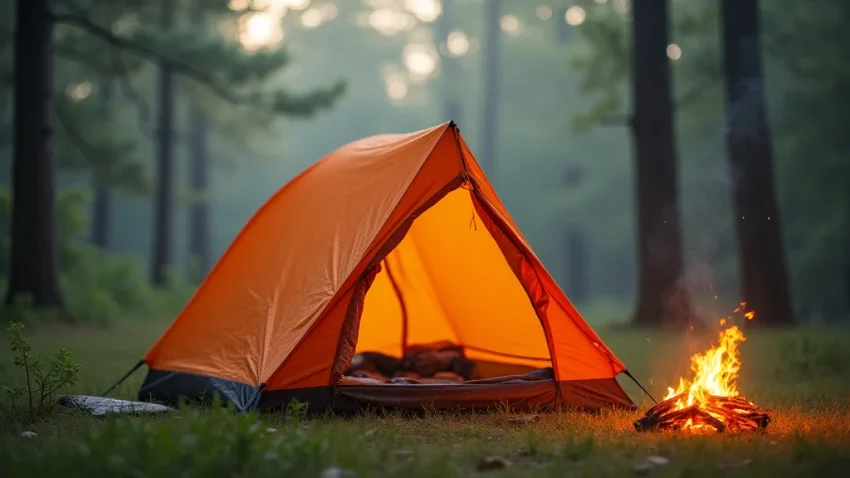
Remember that time you tried to set up a tent, and it looked like a tangled mess of poles and fabric? Well, if you are planning a camping spree with Mr. Magee, you won’t want to get lost in a similar camping fiasco. Camping can be a fantastic escape, a chance to reconnect with nature, and a source of fun and great stories. This guide offers practical advice and tips, helping you prepare for a memorable outdoor trip. You will discover how to plan, pack, and enjoy your own a camping spree with Mr. Magee, avoiding common pitfalls. By the end, you will feel confident in hitting the trails, ready to embrace the adventure.
Key Takeaways
- Learn how to choose the right gear for your camping trip.
- Discover essential camping skills, like setting up a tent and building a campfire.
- Get tips on planning your trip, including choosing locations and permits.
- Find out how to prepare delicious camping meals.
- Understand basic camping safety and how to respond to emergencies.
- Explore ways to enjoy the outdoors and practice Leave No Trace principles.
Planning Your Camping Spree
Preparing for a camping trip goes beyond simply throwing a tent into your car. Careful planning ensures your adventure is enjoyable and safe. This includes selecting a location, making sure you get the right permits, and understanding the weather conditions. Failing to consider these aspects can turn a fun getaway into a frustrating experience. A well-planned camping trip leads to fewer problems and more opportunities for fun and relaxation. This section will guide you through the initial steps for a successful camping experience.
Choosing Your Camping Spot
The location of your camping adventure significantly influences your overall experience. Consider factors like accessibility, available activities, and the level of amenities offered. National parks provide structured camping spots with amenities like restrooms, picnic tables, and fire rings, perfect for those new to camping. State parks also provide similar facilities, often with a range of outdoor activities like hiking and fishing. Dispersed camping, on the other hand, involves camping outside designated campgrounds, offering a more remote experience. This approach requires more self-sufficiency but also provides greater solitude.
- National Parks: These offer structured campgrounds, providing a safe and organized environment, ideal for families and first-time campers. You will find visitor centers, ranger programs, and well-maintained facilities.
- State Parks: Offering a middle ground, state parks usually balance accessibility with natural settings, frequently featuring facilities like restrooms, water sources, and picnic areas. These parks also offer hiking trails, opportunities for water activities, and often, more affordable fees.
- Dispersed Camping: This type of camping takes place outside of designated campgrounds, offering a more remote and secluded experience. Suitable for more experienced campers who can practice self-sufficiency, it requires a “leave no trace” approach to preserve the natural surroundings.
National parks are famous for stunning landscapes and a wide array of activities, such as ranger-led talks and guided tours. Camping within these parks requires reservations, which should be made well in advance. Consider the park’s popularity and plan accordingly to secure your preferred spot. Be ready for fees, which support the park’s maintenance and preservation, offering a worthwhile investment for the experience.
State parks often showcase diverse landscapes, from forests to coastlines, each providing different activities like fishing, boating, and wildlife viewing. Reservations are generally recommended, especially during peak seasons, ensuring a camping spot. State parks can be a good option for people seeking both convenience and contact with nature, combining the best of both worlds.
Dispersed camping brings you closer to nature, providing peace away from the usual crowds. It gives you the chance to choose your campsite, often with less competition. You will need to be prepared with all essential gear, including water, food, and waste disposal. Remember to check local regulations concerning permits and restrictions, and adhere strictly to environmental guidelines to minimize your impact. This experience is rewarding for those who seek to fully immerse themselves in the wild.
Securing Necessary Permits and Reservations
Before you set out on your camping adventure, securing the right permits and making necessary reservations is a crucial step. Failing to do so can result in denied access or fines. Permits often cover camping fees, parking, and specific activities. Reservations are essential, especially during peak season, to guarantee a spot at popular campgrounds. Planning in advance gives you a better chance to choose your preferred location and dates.
- Check Local Regulations: Always start by checking the local guidelines for the specific area where you want to camp. National and state parks often have separate permit needs for camping, parking, and other activities.
- Make Reservations Early: If you want to camp at a popular spot, reservations are a must. Many campgrounds open their reservation systems months ahead of time. Book as early as possible to ensure you get your preferred dates and campsite.
- Understand Permit Types: The type of permit needed changes depending on where you plan to camp and the activities you intend to pursue. Some permits are for general camping use, while others cover hiking, fishing, or backcountry adventures.
Local regulations may include restrictions on campfires, the types of equipment allowed, and the duration of your stay. Knowing these rules helps you respect the environment and avoid any legal issues. Check the websites or contact the relevant park services to obtain detailed information on permit requirements and regulations.
High-demand locations fill up quickly, particularly during weekends and holidays. Websites like Recreation.gov are used by many parks for reservations. Consider setting up alerts so you do not miss the opening of reservation periods. Being prepared and booking ahead reduces stress and improves your chances of a great camping trip.
Make sure you understand the details of each permit. Read the fine print, noting the rules and conditions. Ensure your permits are correctly displayed or carried with you. By following permit guidelines, you contribute to the safety, preservation, and proper management of the area. This includes properly disposing of waste and respecting any activity restrictions.
Weather Forecasting and Preparation
Weather is a key consideration for any camping trip, impacting safety and comfort. Checking weather forecasts before and during your trip allows you to prepare for various conditions, ensuring a safe and pleasant camping experience. Weather conditions can change quickly, so keep an eye on weather reports and be ready to change plans as needed. Knowing the weather enables you to pack the appropriate gear and make smart decisions.
- Monitor Weather Forecasts: Use reliable weather sources, such as official weather websites or apps, to check the forecast for the area you plan to visit. Pay special attention to temperature, precipitation, wind speed, and the chance of severe weather.
- Pack Appropriate Gear: Your gear must match the expected weather conditions. For cold or wet weather, include waterproof and insulated clothing, warm layers, and a sturdy tent. In hot weather, pack lightweight, breathable clothing, sun protection, and plenty of water.
- Have a Backup Plan: Weather can be unpredictable, so have a backup plan in case the forecast changes. If severe weather is predicted, think about camping in a different location, moving your trip to a different time, or postponing it.
Weather forecasts vary in accuracy, so it is a good idea to check multiple sources. Look at both the short-term and long-term forecasts. If severe weather is expected, consider postponing your trip. Being updated on weather conditions enables you to take precautions, such as setting up your tent in a protected location.
Also, think about how to carry and use the gear. Make sure your tent can handle wind and rain. Pack extra food and water in case of unexpected delays. Consider the need for appropriate footwear and gear depending on the type of terrain. Having the right gear protects you from the elements and increases your comfort.
Having alternatives will let you adapt to unexpected conditions. Keep an eye on local alerts and warnings while you are camping. If you must change your plans, make sure the new arrangements are safe and meet all the rules of the location. Being flexible and having backup plans ensures a safe and more enjoyable experience, regardless of weather.
Packing Essentials for Your Camping Spree with Mr. Magee
Packing properly makes or breaks a camping experience. When getting ready for your a camping spree with Mr. Magee, you should gather the right gear to ensure comfort, safety, and enjoyment. This section will guide you through the essentials, from shelter and sleeping arrangements to cooking gear and essential tools. Careful packing allows you to be well-equipped for your outdoor adventure, increasing your safety and the fun to be had.
Shelter and Sleeping Gear
Your shelter and sleeping equipment are crucial for a comfortable camping trip. These items protect you from the elements and give you a safe place to rest. Selecting suitable shelter and bedding is important for your well-being. This involves choosing the right tent for your needs and preparing for a good night’s sleep in the outdoors.
- Tents: Choose a tent size based on the number of people and any extra space needed for gear. Consider weather conditions, such as wind and rain, when selecting a tent. Look for features like waterproof materials, a sturdy frame, and easy setup.
- Sleeping Bags: Select a sleeping bag rated for the expected temperatures. Consider the bag’s shape, materials, and fill (down or synthetic). Ensure the sleeping bag is suitable for the climate.
- Sleeping Pads: Sleeping pads offer insulation from the ground, improving comfort and warmth. There are several types, including foam pads, inflatable pads, and self-inflating pads. Pick one that suits your sleeping style and budget.
For one or two campers, a dome tent is often a perfect choice for simplicity and space. For more people, family tents provide more room and features like multiple rooms or covered porches. Consider the tent’s packed size and weight for transport. Always practice setting up your tent before your trip to be sure you know the process.
Temperature ratings on sleeping bags give you a guide, but personal comfort levels may vary. Down bags offer superior warmth-to-weight ratios but lose insulation when wet. Synthetic bags are more resistant to moisture and are often more affordable. Consider getting a compression sack to save space. A sleeping bag liner can help keep your bag clean and add extra warmth.
Foam pads are simple, durable, and affordable, but they are bulky to carry. Inflatable pads provide better insulation and comfort but can be more expensive. Self-inflating pads offer a balance of comfort and convenience. A sleeping pad is especially essential for cold weather to help prevent heat loss through the ground.
Cooking and Food Supplies
Planning meals and packing the right cooking gear is an important part of your camping trip. Having the right equipment and supplies makes it easy to create delicious meals outdoors. Whether you’re making basic meals or complicated dishes, proper planning ensures you have everything needed. From cooking equipment to food storage, a well-organized setup is helpful for a more enjoyable experience.
- Camp Stoves and Fuel: Select a camp stove suitable for your cooking needs. There are many options, from small, portable stoves for solo campers to larger multi-burner stoves for groups.
- Cooking Utensils and Cookware: Pack essential cooking utensils, such as a spatula, spoon, and knife. Bring cookware suitable for your meals, like pots, pans, and a kettle. Consider lightweight and compact cookware options to save space.
- Food Storage and Preparation: Bring food items that are easy to prepare and store. Pack non-perishable food, and use insulated coolers with ice packs for perishable items. Consider using reusable containers to store and organize food.
Consider the type of fuel needed for your stove, whether it’s propane, white gas, or canister fuel. Pack extra fuel to ensure you have enough for all of your meals. Make sure your stove is easy to use and safe. Familiarize yourself with how to use your stove before your trip to prevent any accidents.
If you’re making elaborate meals, consider bringing a cutting board, mixing bowls, and other items. Non-stick cookware makes cooking and cleaning easier. Pack a dish towel, soap, and a sponge to keep your cookware clean. Think about the variety of meals you plan to make and pack the necessary equipment.
Proper food storage is essential to keep your food safe and prevent attracting animals. Store food in bear-resistant canisters or containers to protect against wildlife. Plan meals ahead to reduce food waste. Pack garbage bags for waste disposal and remember to follow Leave No Trace principles.
Essential Tools and Gear
Having the right tools and gear is key to safety, comfort, and preparedness during your a camping spree with Mr. Magee. From navigation to first aid, each item plays a crucial part in your experience. This part covers the critical tools you should not forget, offering both safety and peace of mind on your trip. Ensuring you’re well-equipped is essential for a worry-free and enjoyable camping experience.
- Navigation Tools: Pack a map and a compass, and know how to use them. Consider bringing a GPS device or a smartphone with a GPS app. Make sure your navigation tools are reliable and have extra batteries.
- First-Aid Kit: A comprehensive first-aid kit is crucial for dealing with injuries and illnesses. Include bandages, antiseptic wipes, pain relievers, and any personal medications. It is a good idea to know how to use the items in your kit.
- Lighting and Safety Items: Bring a headlamp or flashlight and extra batteries. Also, pack a knife or multi-tool, a fire starter, and some matches. Consider bringing a whistle to signal for help.
A map and compass are important, even if you are using GPS, because they don’t rely on technology. Learn how to identify landmarks and follow a trail. Download offline maps onto your smartphone or GPS device for areas without cell service. Knowing how to use these tools is critical for staying on course.
Pack any personal medications and a list of medical conditions and allergies. Refresh your first-aid kit before each trip and
A headlamp is hands-free and ideal for setting up camp or navigating at night. A knife is useful for many tasks, from preparing food to cutting rope. A fire starter can be invaluable for building a fire, especially in wet conditions. A whistle can be used to alert others to your location in an emergency. These items increase your safety.
Camping Skills: Mastering the Outdoors
Camping is more than just setting up a tent; it involves a set of important skills that ensure your safety and improve your enjoyment. From constructing a sturdy campfire to dealing with wildlife, these skills will let you experience nature with confidence. By learning and practicing these essential skills, you will be prepared for a range of challenges and can fully enjoy your a camping spree with Mr. Magee.
Setting Up Camp and Shelter
Establishing a comfortable campsite is a critical skill for an enjoyable camping trip. Properly setting up your tent and arranging your campsite provides safety and comfort. This section will guide you through the process, from selecting a level surface to preparing for weather conditions. Creating a welcoming and functional campsite ensures a safe and enjoyable experience.
- Choosing the Right Spot: When choosing a campsite, look for a level, dry area away from hazards such as dead trees or water sources. Clear the ground of sharp objects and rocks. Consider the sun’s position and wind direction.
- Tent Setup: Follow the manufacturer’s instructions to set up your tent properly. Stake the tent securely to the ground and use guylines to add stability. Ensure all zippers and closures are working correctly.
- Organizing Your Campsite: Organize your campsite to maximize space and efficiency. Set up your tent, cooking area, and sleeping arrangements. Keep your food stored properly and keep your campsite free from waste.
Avoid camping beneath dead branches, as these can fall. Try to find a spot that is sheltered from the wind. Make sure your chosen location provides easy access to trails and any facilities, such as restrooms. Selecting the correct spot improves the safety and comfort of your camp.
Practice setting up your tent before you go camping. This allows you to identify any issues and makes setup easier once you arrive. Properly staking the tent is important for stability, especially in windy conditions. Keeping the tent clean and well-maintained increases its lifespan.
Keep your camp neat and organized to make it easy to find your equipment and to reduce the risk of accidents. Create designated areas for cooking, eating, and relaxing. Storing food properly prevents attracting wildlife. A well-organized campsite improves the experience of your camping trip.
Building and Maintaining a Campfire
Building and maintaining a campfire is one of the most classic camping activities. A campfire provides warmth, light, and a gathering spot for cooking and socializing. Learning how to safely build and maintain a fire improves your overall camping experience. From gathering wood to putting out the fire properly, this part guides you through each step for responsible fire management.
- Fire Safety: Before starting a fire, check for any fire restrictions. Clear a ten-foot area around the fire of any flammable materials. Always have water or a fire extinguisher nearby. Never leave the fire unattended.
- Fire Building Techniques: Build your fire with a good base of tinder, kindling, and firewood. Arrange the materials in a teepee or log cabin formation to allow air circulation. Light the tinder and gradually add kindling.
- Fire Extinguishing: Before leaving your campsite or going to bed, extinguish your fire completely. Use water to douse the embers, stirring them until they are cool to the touch. Make sure all embers are fully extinguished.
Understand and follow any fire regulations. Build your fire in a designated fire ring or on a cleared area. Keep a bucket of water or a shovel close for putting out the fire. Supervise children and pets. Prioritizing fire safety is critical to preventing wildfires and ensuring a safe environment.
Tinder is small, dry material that catches fire easily, such as dry leaves or cotton balls. Kindling is small sticks that help the fire grow. Firewood is the larger pieces of wood that will keep the fire burning. Let the fire burn slowly, adding firewood as needed. Proper fire-building techniques increase the efficiency of your fire.
Drown the embers completely with water, stirring with a shovel or stick to ensure no embers remain. Feel the ashes and embers to make sure they are cold. Fire safety does not end when you leave. Make sure the fire is completely out to prevent the risk of a wildfire.
Dealing With Wildlife Encounters
Camping often places you in close contact with wildlife, making it essential to understand how to interact safely. Proper wildlife management means safeguarding your food, being aware of animals’ behavior, and taking steps to avoid conflict. By practicing these skills, you can enjoy wildlife while ensuring your safety and protecting the natural environment.
- Food Storage: Properly store food to prevent attracting animals. Use bear-resistant canisters or store food in your car. Do not leave any food or trash unattended.
- Awareness of Animal Behavior: Recognize signs of animal activity. Learn about the types of wildlife in the area and their habits. Be alert for animal signs, such as tracks or scat.
- Safety Measures: If you encounter a wild animal, stay calm and avoid direct eye contact. Make noise to deter the animal. Carry bear spray and know how to use it.
Keep food in sealed containers or bags. Do not leave food in your tent. Properly storing food keeps animals away from your campsite. This reduces the risk of attracting animals and making them reliant on human food.
Keep a safe distance from wildlife. Do not approach or feed animals. If an animal approaches your campsite, make noise and stand your ground. Being aware of animal behavior helps you to respond appropriately.
Do not run or turn your back on the animal. Back away slowly while keeping the animal in sight. Carry bear spray and be ready to use it, following the instructions on the can. Understanding and applying safety measures is crucial to keeping yourself safe and preventing harm to animals.
Enjoying the Outdoors Responsibly
Camping is about immersing yourself in nature while also taking steps to protect it. Practicing responsible outdoor conduct is essential for preserving the environment for future campers. This part covers the key principles of Leave No Trace and the ways to minimize your impact. Practicing responsible actions during your a camping spree with Mr. Magee makes sure you can enjoy nature while also leaving it better than you found it.
Leave No Trace Principles
Leave No Trace (LNT) is a set of guidelines that help you minimize your impact on the environment during your outdoor adventures. Following these principles helps to preserve natural spaces and protect wildlife. LNT is key to ensuring that future generations will have the chance to experience the beauty of nature. The guidelines are simple, but their impact is huge. Here’s a brief review.
- Plan Ahead and Prepare: Before your trip, research the area and understand any rules or restrictions. Pack all essential gear, and repack food to reduce waste. Knowing the rules and preparing reduces your impact.
- Travel and Camp on Durable Surfaces: Stick to established trails and campsites whenever possible. Avoid walking on vegetation. Choose durable surfaces like rocks, gravel, and dry grasses to minimize damage. Camping in areas that are not marked can be damaging to local wildlife.
- Dispose of Waste Properly: Pack out everything you pack in. Properly dispose of human waste. Do not leave any food or trash behind. Proper waste disposal maintains the beauty of the areas.
- Leave What You Find: Do not remove any natural objects, such as plants, rocks, or artifacts. Avoid altering the environment in any way. Letting others experience the area undisturbed and as it should be.
- Minimize Campfire Impacts: Use established fire rings or fire pits. Keep campfires small and use only downed wood. Completely extinguish campfires. Use alternative methods, like a camp stove, if necessary. Reduce the risk of wildfires.
- Respect Wildlife: Observe wildlife from a distance and avoid feeding them. Store food properly to prevent attracting animals. Avoid approaching or disturbing wildlife. Enjoy wildlife at a distance.
- Be Considerate of Other Visitors: Be respectful of other campers and visitors. Keep noise levels down. Pack out your trash, and avoid using loud music. Keep the outdoor experience safe and enjoyable for all.
Before you go, do your research, including weather and any rules or restrictions on camping or activities. Planning your meals will help you avoid bringing excess food and packing extra containers. Proper planning reduces your need to use single-use items, helping minimize waste.
Using established paths and camping in designated areas prevents damage to plant life and soil erosion. Avoid setting up camp in sensitive locations, such as near water sources or in areas with fragile vegetation. This helps to protect the area’s beauty and sustainability.
Pack out all trash, including food wrappers, packaging, and anything else you brought with you. Use designated restroom facilities. If those are not available, bury human waste in a cat hole. Keeping the area clean ensures that the environment is enjoyable for other visitors.
Leave rocks, plants, and other items where you find them. Avoid damaging trees or other vegetation. Let everyone experience the area in its natural state. Maintaining the natural beauty of the area helps preserve it.
In areas where campfires are permitted, use existing fire rings. Gather firewood from the forest floor, and avoid damaging live trees. Always extinguish your campfire with water, stirring until cold to the touch. Make sure not to cause fires from your camping experience.
Observe wildlife from a distance and use binoculars or a spotting scope. Store food in a secure location. Avoid feeding wildlife, as it can alter their natural behaviors. Respect the animals and their natural habitats. Protecting wildlife is an important part of conservation.
Keep noise levels down, particularly in the evening and early morning. Stay on marked trails. Yield to hikers or other trail users. Practice good camping etiquette, and consider the impact on others. This creates a good experience.
Minimizing Your Impact on the Environment
Beyond the principles of Leave No Trace, there are several other ways to minimize your impact. By adopting these methods, you will take additional steps to protect the environment and enjoy your camping adventures. From energy conservation to reducing waste, these actions will contribute to a more sustainable and enjoyable outdoor experience.
- Energy Conservation: Use energy-efficient equipment and limit your use of electricity. Opt for solar-powered devices. Use rechargeable batteries. Being energy aware shows respect for the environment.
- Water Conservation: Conserve water by using it sparingly. Avoid using soap near water sources. Dispose of wastewater responsibly. Water conservation ensures that resources are available.
- Reduce Waste: Minimize waste by using reusable containers and packing out all trash. Recycle what you can. Reduce your use of single-use plastics. Reduced waste helps protect the environment.
- Support Conservation Efforts: Participate in conservation activities, such as trail cleanup. Make donations to conservation organizations. Educate yourself about environmental issues. Support conservation efforts to help the environment.
Choose solar-powered lanterns, headlamps, and other devices. Conserve energy by turning off lights and unplugging devices when not in use. Using rechargeable batteries reduces waste. These actions help to reduce our carbon footprint.
Take short showers, and avoid letting water run unnecessarily. Use biodegradable soap and wash dishes away from water sources. Dispose of wastewater in a cathole or a designated waste container. Conserving water supports a sustainable experience.
Use reusable water bottles and food containers. Pack your trash out and dispose of it properly. Recycle any recyclable items. By reducing waste, you help maintain the natural beauty of the environment.
Volunteer for trail cleanup and other environmental projects. Support conservation organizations that are working to protect natural areas. Stay informed about environmental issues. Supporting conservation efforts helps ensure that natural areas continue to thrive.
Common Myths Debunked
Camping is often surrounded by common misconceptions that can affect your planning and enjoyment. This section addresses some of the more well-known myths, providing correct information to help you make informed decisions. Addressing these misconceptions enables you to be prepared, safe, and fully enjoy your a camping spree with Mr. Magee.
Myth 1: Camping is only for experienced people
In reality, camping is a skill that can be developed over time, starting with basic skills. With proper planning and the right information, anyone can have a good camping experience. Start with short, easy trips, and gradually increase the difficulty of your adventures. There are also many resources, such as books, online guides, and local parks, that offer guidance for newcomers.
Myth 2: You need to buy expensive gear
The truth is that you do not need to spend a lot of money to start camping. You can borrow gear from friends or rent equipment from outdoor stores. Start with the essentials, such as a tent, sleeping bag, and sleeping pad, and gradually purchase more items as needed. Many budget-friendly options are available that still offer performance and durability.
Myth 3: Campfires are always safe
Building a campfire requires more than just matches and firewood. Campfires pose a risk of spreading and causing damage. Before starting a fire, check for fire restrictions, clear a ten-foot area around the fire, and have water or a fire extinguisher nearby. Always supervise a campfire. In dry conditions or high-wind situations, it is best to avoid a campfire completely.
Myth 4: Wildlife is always dangerous
While it is important to respect wildlife, the majority of animal encounters are not threatening. Most animals avoid people. The real danger comes from improper food storage and human actions, such as feeding wildlife. To stay safe, store food properly, and maintain a safe distance from wildlife. Be aware of your surroundings, and be prepared to respond to any situation calmly and appropriately.
Myth 5: Camping is always relaxing
Camping can be relaxing, but it is not always easy. It requires physical activity, such as setting up camp, hiking, and gathering firewood. Weather conditions and other challenges can make camping challenging. Being prepared for different conditions and accepting that challenges can occur allows you to adjust and find enjoyment in the experience.
Frequently Asked Questions
Question: What is the best time of year for camping?
Answer: The best time for camping depends on your location and preferences. Spring and fall offer comfortable temperatures and fewer crowds. Summer is popular, but it can be hot and crowded. Winter camping offers a unique experience, but it requires appropriate gear and preparation.
Question: How do I choose the right tent size?
Answer: Choose a tent based on the number of people and the amount of space you need. Consider the tent’s features, such as height and vestibules. Make sure you can comfortably fit your gear inside the tent, or plan for additional storage.
Question: What do I do if it rains while camping?
Answer: Pack waterproof gear, including a rain jacket, rain pants, and waterproof boots. Set up your tent in a well-drained area. Keep your gear organized and covered. If the rain is severe, consider seeking shelter in a designated area or changing your plans.
Question: How can I keep food safe from animals?
Answer: Store food in bear-resistant canisters or bear-resistant lockers. Do not leave any food or trash unattended. Dispose of food waste in designated trash cans or pack it out with you. Keep the area around your campsite clean.
Question: What are the Leave No Trace principles?
Answer: The Leave No Trace principles are guidelines to minimize your impact on the environment during your outdoor adventures. They include planning ahead and preparing, traveling and camping on durable surfaces, disposing of waste properly, leaving what you find, minimizing campfire impacts, respecting wildlife, and being considerate of other visitors.
Final Thoughts
Camping offers a unique opportunity to escape the everyday and immerse yourself in nature. From carefully planning your adventure to mastering essential skills, each step contributes to a rewarding experience. Prioritizing safety, respecting the environment, and being prepared for unexpected events will help you. By following the tips in this guide, you can set out on your own a camping spree with Mr. Magee with confidence. Remember to embrace the challenges, enjoy the journey, and leave a positive impact on the world around you. So, pack your bags, choose your destination, and set off to create lasting memories in the great outdoors.