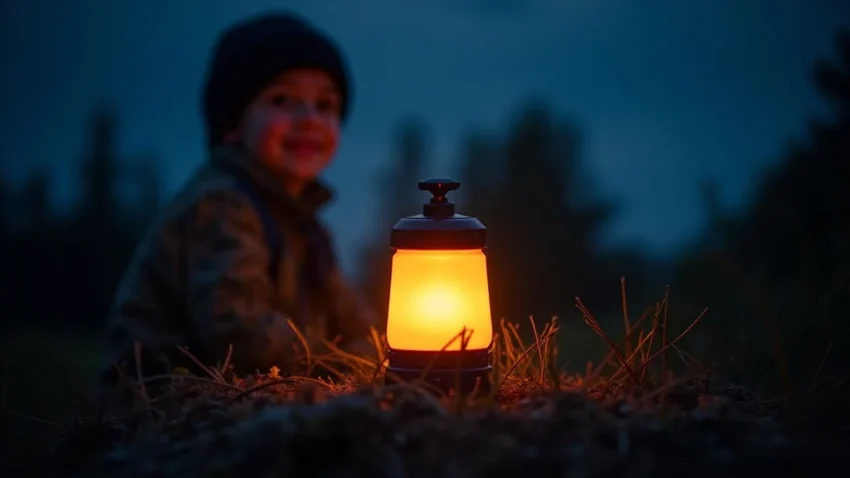
Picture this: you’re setting up camp as dusk settles, the forest whispers around you. You reach for your camping lights rechargeable, hoping for easy illumination. But what if they fail? We’ve all been there – fumbling in the dark, wishing for reliable lighting. This post explores everything you need to know about camping lights rechargeable, helping you choose the right ones and use them effectively. You’ll gain valuable knowledge to make your camping trips brighter, safer, and much more enjoyable, improving your ability to select the perfect camping light and making your experience more safe and comfortable.
Key Takeaways
- Learn about the different types of rechargeable camping lights available.
- Discover the key features to look for when choosing a camping light.
- Understand how to maximize the battery life of your rechargeable lights.
- Find out how to safely and effectively use your camping lights.
- Get tips on maintaining and storing your lights for longevity.
- Explore useful accessories that can complement your camping light setup.
Choosing the Right Camping Lights Rechargeable
Selecting the right camping lights rechargeable can feel overwhelming. With so many options, how do you know which one is best for your needs? There are several important factors to consider, from brightness and battery life to durability and features. This section explores different types of lights, focusing on what aspects are the most important for your enjoyment of the wilderness.
Types of Camping Lights
The variety of camping lights is vast. They range in size, shape, and features, each suited for particular uses. Choosing the right type will significantly enhance your experience. Consider your primary needs when selecting the best type for your camping requirements. A light suitable for a solo hiker will be different from one needed by a family camping together.
- Lanterns: These are the classic, providing 360-degree illumination, often used for illuminating a campsite. Modern lanterns frequently use LEDs, offering adjustable brightness and extended battery life. Choose these for base camp lighting, for instance.
- Headlamps: Hands-free lighting, perfect for hiking, climbing, or any activity that requires you to keep your hands free. Headlamps often offer multiple light settings, including spot and flood beams, to adjust to different situations. Look for one that’s lightweight and comfortable.
- Flashlights: A versatile option, flashlights are easy to carry and can be directed to illuminate specific areas. They come in various sizes and strengths. Select the right size and beam type to match your camping activity.
- String Lights: Ideal for creating a warm, ambient atmosphere. They are frequently used to decorate campsites and can add a pleasant environment. These lights can be powered by rechargeable batteries or solar energy, making them ideal for camping.
LED lanterns are exceptionally efficient, consuming little energy and emitting high light output. Many models provide various light modes, such as low, medium, and high, allowing you to regulate brightness. The 360-degree spread guarantees that the entire camping area is well-lit, providing safety and a comfortable environment. Some contain built-in hooks or handles for hanging, while others are foldable for compact storage.
Headlamps are essential for many outdoor activities, including hiking, running, and climbing, allowing hands-free operation. They usually feature adjustable straps for comfort and various light settings to meet various lighting requirements. High-quality headlamps deliver powerful beams that reach long distances, important for safe exploration after dark. Also, they are ideal for use when navigating trails at night, providing critical visibility of the path and the surrounding terrain.
Flashlights are useful camping tools, suitable for a range of activities like scouting trails or navigating dimly lit areas. Available in different sizes and intensities, they provide focused beams for precise illumination. Their compact size makes them easily portable, fitting into a pocket or backpack, ready to use whenever required. Choosing a flashlight with an adjustable beam is advantageous, as it permits users to shift from a broad floodlight to a focused spotlight, matching varying needs.
String lights can transform a campsite into a cozy and inviting space. These lights are simple to hang around tents, trees, or picnic areas, creating a relaxing ambiance. They often use LEDs, which are energy-efficient and come in many colors and designs. Many string lights can be powered via rechargeable battery packs or solar panels, adding to their convenience and making them great for camping where access to power is limited. They are ideal for creating a pleasant setting for evening activities.
Brightness and Lumens
Brightness is often measured in lumens. The higher the lumens, the brighter the light. The appropriate level depends on your use case. For general campsite lighting, aim for 200-500 lumens. For tasks like reading, a lower setting will do. High-powered flashlights or headlamps for hiking might reach 1000 lumens or more.
- Understanding Lumens: Lumens are the unit of measurement for how much light a source emits. A higher lumen rating denotes a brighter light. The required number of lumens varies on how the light will be used. A small reading light requires significantly fewer lumens than a lantern intended to light up an entire campsite.
- Brightness Settings: Many rechargeable camping lights feature adjustable brightness levels. This is helpful for conserving battery power and adjusting to various conditions. Being able to choose lower settings, such as “low” or “moonlight”, is advantageous when you need just a little light without draining the battery.
- Beam Patterns: The beam pattern describes how light is distributed. Flood lights cast a broad, even light, ideal for illuminating a camping area. Spotlights produce a focused beam, better suited for long-distance tasks. Headlamps frequently provide a combination of both.
When selecting a camping light, consider the number of lumens it emits. As an example, a lantern for a campsite usually emits between 200 and 500 lumens for good all-around visibility. For activities that demand more focused light, such as hiking, a headlamp that produces 500 to 1000 lumens may be needed. Always assess your lighting needs before making your choice, and consider adjustable brightness settings on your lights to ensure adaptability for various activities.
The ability to alter the brightness settings of your camping lights is a very helpful function, offering flexibility and better battery management. Lights with multiple settings, from low to high, allow you to conserve power when less light is needed. For example, a low-light setting can be ideal for reading in a tent or for keeping a small amount of light at night. High settings are useful for traversing trails after dark or lighting an entire area. The capacity to adapt brightness levels guarantees that you always have the right amount of illumination.
Beam patterns are essential in camping lights rechargeable, influencing their suitability for different purposes. Floodlights are designed to provide a broad, even light distribution, making them great for illuminating an entire area or campsite. Spotlights, on the other hand, produce a focused beam, making them ideal for long-distance lighting, such as when following a route or looking for a specific object. Many lights, such as headlamps, combine both flood and spot beam options, enabling users to adapt their light output to changing circumstances.
Battery Life and Power Sources
Battery life is important, particularly for extended trips. Review the light’s specifications and consider how long you will need it to operate. Rechargeable lights use different power sources, including lithium-ion batteries, which offer a great balance of performance and efficiency. Solar charging offers an eco-friendly option.
- Battery Types: Lithium-ion batteries are common due to their high energy density and lack of “memory effect.” This means that they can be charged at any time without damaging the battery.
- Run Time: Consider how long the light will last on a full charge. This varies based on the brightness level used. A lower setting will typically extend the run time. Check the manufacturer’s specifications.
- Charging Options: USB charging is the most frequent. Some lights include a USB port for charging other devices, giving them a dual-purpose function. Solar charging is a good eco-friendly choice, which is beneficial for longer trips.
Lithium-ion batteries are widely used in camping lights rechargeable due to their effectiveness and convenience. They have a high energy density, allowing them to store a significant amount of power in a compact package. They do not have a “memory effect” and can be charged at any time without damaging the battery. Lithium-ion batteries also offer a slower discharge rate, meaning they retain power well when not in use. This makes them a great option for camping and hiking, providing a dependable and long-lasting light source.
It’s important to know the run time of your camping lights rechargeable before you head out. Run time is the period the light will operate on a single charge. Usually, manufacturers provide run-time data depending on the light’s brightness setting. For example, a light may run for 10 hours on low and 3 hours on high. Higher settings use more power and drain the battery faster. Take run time into account when planning your camping trip. Determine how often you will use your lights and choose those that provide sufficient battery life to last the entire trip.
The charging options of your camping light are essential for convenient use and sustainability. USB charging is the most commonly used, offering universal compatibility and the ability to charge via power banks, car chargers, and wall adapters. Certain lights are also equipped with a USB port, allowing them to charge other devices, such as phones and GPS units, making them versatile camping tools. Solar charging is a great eco-friendly choice, offering a way to recharge the lights using renewable energy and reducing the need for traditional power sources. Select a light that is compatible with your power needs, whether you are utilizing USB, solar, or a combination of both, to ensure you are always prepared for an outdoor adventure.
Maximizing Battery Life
Extending the battery life of your camping lights rechargeable is a crucial ability. Battery life can be expanded with the use of various methods, from adjusting settings to practicing smart charging habits.
Adjusting Brightness Levels
Using lower brightness settings when possible considerably prolongs battery life. Use higher settings only when needed for specific tasks. Many lights have multiple brightness options, allowing you to fine-tune the output.
- Low Mode Advantage: Using a low brightness setting is a simple yet powerful method to save energy. It substantially prolongs the operating time of your camping lights.
- Smart Brightness Usage: Consider your activities and the light required. When you are performing tasks, like cooking or reading, brighter light may be required. For general campsite lighting, a dimmer option may be sufficient.
- Dimming Functions: Some lights provide dimming settings, allowing you to customize the output level. Use this feature to exactly meet your lighting needs.
Using the low-light mode of your camping lights rechargeable can greatly improve battery life. When the full brightness is not needed, such as when reading or navigating around the campsite in the dark, the low-light setting uses less energy. This can considerably extend your light’s operating time, allowing it to stay on longer between charges. Also, this option is beneficial for preserving battery life, particularly on extended excursions where recharging is difficult.
Using the right brightness level is important to battery preservation. When cooking or reading, for instance, a greater brightness level may be needed for greater visibility. For general illumination of the campsite, a dimmer setting will often be enough. Adjusting the brightness of your light output based on your activity guarantees that you only utilize the amount of energy that you need, thus prolonging the battery life and ensuring that your lights are available for a longer period.
Dimming functions provide great control over your camping lights rechargeable. These features allow you to adjust the light output to the exact level needed. This customization is great for preserving battery life, because you can reduce energy use when lower light levels are acceptable. It also makes your light more versatile. For instance, you may dim the light to a soft glow for a relaxing ambiance or brighten it for tasks that require a lot of light, ensuring that the light perfectly matches your specific demands.
Efficient Charging Practices
How you charge your lights impacts their longevity and performance. Proper charging habits are essential to keep your lights performing at their best for a long time.
- Full Charges: Fully charge the battery before your trip and before storing the lights for an extended period. This improves battery health.
- Avoid Overcharging: Disconnect the light when it is fully charged to avoid overcharging, which can harm the battery over time. Many lights automatically stop charging when full.
- Temperature Considerations: Charge your lights in a temperature-controlled environment. Extreme temperatures can affect how well the battery charges and discharges.
Before storing your camping lights rechargeable, make sure the battery is completely charged. Fully charging the light extends the battery’s lifespan and guarantees that it is ready for usage when you need it. By charging the battery completely, you reduce the battery’s risk of damage caused by deep discharge during storage. It’s a quick and simple procedure to take to keep the batteries in the best condition, guaranteeing that your lights will be ready for the next camping trip.
Overcharging can potentially damage the battery. Disconnect your camping lights rechargeable from the charger as soon as it is fully charged. Modern lights typically have built-in systems that stop charging once the battery is full. However, it’s wise to double-check that you haven’t plugged in the light for an excessive period. Overcharging can cause a loss of battery capacity and shorten its overall lifespan. Practicing good charging habits ensures the longevity and effectiveness of the light.
Extreme temperatures can have a major effect on the performance and lifespan of batteries in camping lights rechargeable. Extreme heat or cold conditions can impair the battery’s performance and shorten its lifespan. Try charging the lights in a temperature-controlled environment, especially when you are camping in areas where the temperatures are very hot or cold. This helps to protect the battery and ensures that it charges and discharges efficiently.
Storage Strategies
How you store your lights impacts their longevity. Proper storage is essential to keep your lights ready for your next adventure.
- Cool and Dry Conditions: Keep your lights in a cool, dry place. Humidity and extreme temperatures can degrade the battery and the light’s internal components.
- Partial Charge for Long-Term Storage: If you are not using your lights for an extended period, store them with a partial charge, approximately 50%. This prevents battery degradation over time.
- Regular Maintenance: Check and maintain your lights before storing them. Clean off any dirt or debris, and make sure everything is working properly.
To store your camping lights rechargeable, choose a cool, dry place to keep them in good condition. Moisture and high temperatures may cause harm to the batteries and internal parts. Keep the lights away from direct sunshine, which might harm the batteries and housing. A controlled environment helps to keep the light operating and ready for use when needed.
If you’re storing your camping lights rechargeable for a long time, store them with approximately a 50% charge. Fully charged batteries may deteriorate and lose capacity during prolonged storage. Storing them partially charged can extend the life of the battery and prevent it from losing its ability to charge and discharge efficiently. Always check the lights periodically to verify that they are in good condition and prepared to go for your next outdoor adventure.
Before storing your camping lights rechargeable, make sure to do routine maintenance. Check the lights for dirt or debris and clean them as needed. Make sure that all features and functions are working properly, and that the lights are ready for use. Maintaining your lights will extend their lifespan and ensure that they are ready for your next excursion, while also allowing you to enjoy a well-lit camping experience.
Safety and Usage Guidelines
Safety is key when using camping lights rechargeable. Knowing how to use them safely prevents injury and makes your camping experience more pleasurable.
Safe Operation Practices
Always prioritize safety when using any light source. Following simple instructions helps prevent accidents. Here’s a set of best practices for using your camping lights.
- Read the Instructions: Always review the manufacturer’s directions for your specific light model. These instructions usually include safety instructions and operating recommendations.
- Avoid Direct Eye Contact: Never look directly into the light beam, as it can cause eye damage, especially from high-powered LEDs.
- Keep Away from Flammable Materials: Do not set lights near flammable materials, such as tents, sleeping bags, or dry vegetation.
Before using any camping lights rechargeable, it is essential to read and comprehend the manufacturer’s directions. These instructions are typically found with the product, or they can be downloaded from the manufacturer’s website. They contain significant safety warnings, operating advice, and maintenance tips unique to the model of light that you have. Knowing these instructions will help you safely use the light while optimizing its performance.
Avoid staring directly into the light beam of your camping lights rechargeable. High-intensity LED lights may cause eye damage if you look directly at them. Direct, concentrated light can cause momentary blindness or, in extreme cases, damage the retina. Teach children not to point the lights at their eyes or other people’s eyes. To safeguard your eyes, always be cautious when using your lights.
When using camping lights rechargeable, always keep them away from flammable materials such as tents, sleeping bags, and dry grass. Certain camping lights may produce heat, especially those that use incandescent bulbs. When a light source is too close to flammable materials, this might cause a fire. When setting up your lights, choose locations that are away from anything that may catch fire to ensure safety and prevent accidents.
Environmental Considerations
Consider the environment when using your lights. It’s everyone’s duty to camp responsibly. Reduce light pollution and prevent damage to the ecosystem by practicing responsible usage.
- Minimize Light Pollution: Direct lights downward or use diffusers to reduce light pollution, which can affect wildlife and other campers.
- Respect Wildlife: Avoid shining lights directly at animals, as it can disrupt their natural behaviors. Use the lowest possible brightness settings.
- Pack Out All Waste: Ensure that you dispose of batteries and any packaging correctly.
Reduce light pollution by pointing camping lights rechargeable downward. Light pollution may impact both the environment and other campers, so take steps to lessen its impacts. To minimize the amount of light that goes upward, choose lights that can be pointed downward. If the light’s beam cannot be controlled, you could use diffusers or light covers to reduce brightness and direct it where it is needed, protecting the environment.
When camping, respect wildlife by refraining from shining camping lights rechargeable directly at animals. Excessive light can upset the natural behaviors of nocturnal animals and disrupt their routines. To decrease the effect on wildlife, turn off your lights when not needed. If light is required, use the lowest possible brightness setting to minimize the disruption. By being aware of your surroundings and taking these basic precautions, you can help preserve the natural environment and show respect for wildlife.
Remember to dispose of your used batteries and any packaging correctly when using camping lights rechargeable. Batteries are considered hazardous waste and must be disposed of properly. Do not throw used batteries in the trash; instead, recycle them at a designated facility. Properly discarding batteries prevents dangerous compounds from leaking into the soil and harming the environment. Pack out all packaging waste to leave the campground cleaner than you found it. By following these easy procedures, you can protect the environment and enjoy the outdoors responsibly.
Proper Maintenance
Taking good care of your lights ensures they perform at their best. Routine maintenance also extends their lifespan. Regular care can prevent many common problems.
- Cleaning and Inspection: Clean your lights after each trip. Wipe away dirt and debris. Check for any damage to the housing or the lens.
- Lubrication: Some lights, particularly those with moving components, may require lubrication. Review the manufacturer’s instructions for advice.
- Storage Conditions: Store your lights in a cool, dry place when not in use. Avoid leaving them in direct sunlight or areas with extreme temperatures.
After each camping trip, clean your camping lights rechargeable. Wipe off any dirt, dust, and debris that may have accumulated during your trip. Check the lights for any obvious damage to the housing or the lens. This routine cleaning and inspection helps to keep your lights operating and ready for the next adventure. This will also extend the useful life of the light and ensure that it is working as expected.
Some camping lights, particularly those with moving components, might need lubrication to keep them operating properly. Read the manufacturer’s instructions for particular recommendations. For example, some lights have adjustable elements, such as focusing rings or switches, that should be lubricated periodically to ensure that they work smoothly and efficiently. Check the directions for suggested lubricants and how to apply them. Proper lubrication may reduce wear and increase the life of your lights.
Proper storage is essential to preserving the performance and lifespan of camping lights rechargeable. Keep your lights in a cool, dry place when you are not using them. Protect them from sunshine, extreme temperatures, and dampness. High heat or cold can harm the batteries and electronic components. Keeping your lights in a well-protected location helps to maintain their effectiveness, guaranteeing that they are ready to go for the next adventure.
Common Myths Debunked
Myth 1: Higher Lumens Always Mean Better
The assumption that higher lumens always signify better lighting is untrue. While lumens measure brightness, the ideal output depends on the application. For tasks like reading, a lower lumen setting is sufficient, while a wider outdoor area may require a higher lumen output. The best option is always about matching the light output to your use.
Myth 2: All Rechargeable Batteries Last the Same
This is not true. The life of a rechargeable battery is influenced by several variables, including the type of battery, quality, and usage patterns. Lithium-ion batteries have a longer life and perform better than older technologies. Also, how the lights are maintained, charged, and used determines the lifespan of the battery.
Myth 3: Leaving Lights on All Night Is Safe
While most modern lights are made for safety, leaving lights on overnight can lead to risks. It can drain the battery. In addition, there is always a small risk of overheating or a malfunction. It is better to use the lights only when required and to turn them off when not in use to improve battery life and safety.
Myth 4: Solar Charging Is Always the Fastest
Solar charging speed is based on sunlight intensity and panel size. It is sometimes slower than charging via USB or a wall outlet. For quick charging, especially when time is limited, a direct power source is more dependable. Solar charging is a great eco-friendly alternative, particularly for extended excursions, but it may not always be the fastest option.
Myth 5: All Camping Lights Are Waterproof
Not all camping lights are waterproof. Many lights are water-resistant, protecting them from splashes, but this does not equal complete submersion. Check the light’s IP (Ingress Protection) rating. A higher IP rating means better protection against water and dust. For use in wet situations, search for lights with a high IP rating.
Frequently Asked Questions
Question: How long does a camping lights rechargeable battery last?
Answer: The battery life varies greatly depending on the light’s setting, battery capacity, and type. High-powered settings drain batteries faster. However, most lights can last for a few hours to several days.
Question: Can I charge my camping lights in a car?
Answer: Yes, many lights come with or accept a USB charging cable that can be plugged into a car charger. Ensure the charger has enough power.
Question: Are all camping lights waterproof?
Answer: No, not all camping lights are waterproof. Many are water-resistant. Check the IP rating for water and dust resistance.
Question: How do I dispose of my old batteries from my camping lights rechargeable?
Answer: Recycle old batteries at a local recycling center. Never throw them in the trash.
Question: What is the best type of light for camping?
Answer: The best type of light depends on your camping needs. Headlamps are perfect for hands-free use, lanterns for campsite illumination, and flashlights for specific tasks.
Final Thoughts
Having reliable lighting is crucial for any camping adventure. The right camping lights rechargeable will make a major difference in your enjoyment and safety. Choosing the ideal light means you will be able to see the trails during night hikes, illuminate your campsite, and create a warm ambiance. Make sure you select a light with the right brightness, battery life, and durability for your needs. Always remember to prioritize safety and respect the environment. Practice effective charging, storage, and maintenance to get the most from your lights. Follow these tips to illuminate your next camping trip. Get ready to experience the outdoors with confidence, knowing you have a dependable light source to guide your way. Happy camping!