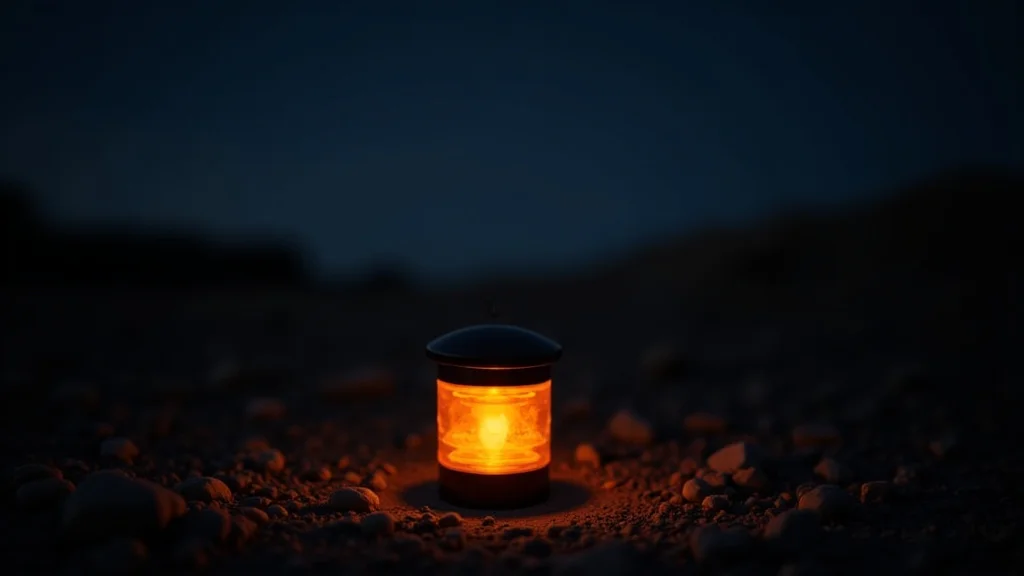
Picture this: you’re huddled around a crackling campfire, the stars blazing above, but it’s getting dark, and you need to find your flashlight. Sound familiar? Finding the perfect camping lights can make or break your outdoor experience. This article explores everything you need to know about camping lights, from choosing the right type to understanding the essential features that can make your outdoor adventure safe and enjoyable. You’ll gain valuable insights into different light options, power sources, and essential features, helping you make informed decisions. By the end, you’ll be well-equipped to light up your next camping trip with confidence, improving your experience and making it easier to see in the dark.
Key Takeaways
- Understand the different types of camping lights available.
- Learn about various power sources for camping lights.
- Discover the essential features to consider when choosing camping lights.
- Explore how to make your campsite safe and well-lit.
- Get tips on choosing the correct brightness levels for various needs.
- Find out how to properly maintain and care for your camping lights.
Different Types of Camping Lights
Camping lights come in a wide variety of shapes, sizes, and technologies, each designed to meet different needs and preferences. From small, portable lanterns to powerful headlamps, the right choice depends on your specific camping style, the size of your group, and the activities you plan to do. Exploring these diverse options lets you choose the best light for your camping situation.
Lanterns
Camping lanterns are a campsite staple, providing ambient, area lighting. They are generally designed to be hung or placed on a flat surface, spreading light in all directions. Lanterns have evolved over the years, moving from fuel-based models to LED versions. Modern LED lanterns are usually lightweight, efficient, and offer various brightness settings, making them ideal for socializing, cooking, and general campsite illumination. They’re also often weatherproof, making them practical in different weather situations.
- Types of Lanterns: Several options exist. There are traditional propane lanterns, which offer bright, warm light, but need fuel. There are also battery-powered LED lanterns, which are much safer and more convenient, with various light modes and long battery life. Solar-powered lanterns are a great option for sustainable campers.
- Brightness: Lantern brightness is measured in lumens. A range of 200-500 lumens is usually adequate for general campsite lighting, offering a good balance of illumination and battery efficiency.
- Durability: Look for lanterns built with durable materials, as they are likely to encounter bumps and falls. Water resistance is also a significant plus, protecting them from unexpected rain or splashes.
- Features: Consider features such as adjustable brightness, multiple light modes (e.g., strobe, SOS), and built-in USB charging ports for added convenience. Some lanterns also feature a built-in compass or charging capabilities for your mobile devices.
Headlamps
Headlamps are essential for hands-free lighting, making them perfect for hiking, cooking, and navigating the campsite in the dark. They are designed to be worn on the head, directing light wherever you look. The focus on your perspective allows you to move freely without worrying about holding a light. Many models are compact, lightweight, and offer adjustable straps for a comfortable fit. The market features options with varying brightness levels, beam patterns, and battery lives to meet different needs.
- Beam Patterns: Headlamps often feature different beam patterns, including floodlights for wide area illumination and spotlights for focused, long-distance viewing. Having a combination of the two helps to accommodate multiple needs.
- Brightness Levels: A headlamp’s brightness is expressed in lumens. For most camping activities, a headlamp with 150-300 lumens is generally suitable. Higher-lumen headlamps are helpful for activities like hiking at night.
- Battery Life: Battery life is significant, as a dead headlamp can leave you in a tough spot. Look for headlamps with extended battery life, and consider models that can use rechargeable batteries or have battery indicator lights.
- Water Resistance: Choose a headlamp with a high level of water resistance. Headlamps are prone to encounters with rain or moisture, and water resistance can help the headlamp last longer.
Flashlights
Flashlights are versatile and portable, serving as a reliable light source for various camping tasks. They come in diverse sizes and styles, from small keychain flashlights to larger, more powerful models. Flashlights are helpful for spotting wildlife, finding items in the dark, or signaling for assistance. The market offers flashlights with different beam patterns, brightness levels, and power sources. Having a flashlight in addition to other forms of lighting adds a great amount of redundancy and security.
- Size and Portability: Flashlights vary in size, so consider your needs. A small, pocket-sized flashlight is excellent for everyday use, while a larger, more powerful model is better for intense activities.
- Beam Type: There are flashlights with focused beams, good for long distances, and flashlights with wider beams, perfect for area illumination. The right beam depends on what you are doing.
- Power Source: Flashlights run on various power sources, including disposable batteries, rechargeable batteries, and hand-crank options. Rechargeable batteries are generally more convenient and economical.
- Durability: Flashlights used outdoors must be able to withstand the elements. Look for models made with sturdy materials and rated for water resistance to prevent damage from rain or moisture.
Power Sources for Camping Lights
Understanding the different power sources for camping lights is critical for ensuring you have a reliable light source throughout your trip. Each power source offers unique advantages and disadvantages, from ease of use to environmental impact. Choosing the appropriate power source depends on how long your trip is, the availability of recharging options, and your overall environmental consciousness.
Battery-Powered Lights
Battery-powered lights are perhaps the most common type of camping lights due to their ease of use and availability. They use disposable or rechargeable batteries to provide power, offering a straightforward solution for lighting your campsite. The ease of replacing batteries in the wild is extremely convenient. However, it’s essential to understand the types of batteries available, their respective advantages, and how to manage their use effectively.
- Types of Batteries: The most common battery types are alkaline, lithium, and rechargeable batteries (such as NiMH or lithium-ion). Alkaline batteries are widely available and affordable, but their performance diminishes in cold weather. Lithium batteries perform better in cold conditions. Rechargeable batteries are a cost-effective and environmentally friendly option.
- Battery Life: Battery life varies greatly based on the light’s brightness settings and the type of battery used. Check the specifications for the estimated runtime at different brightness levels.
- Battery Management: It is crucial to manage your batteries properly to avoid running out of power. Take extra batteries, especially if you have lights with high power draws. Store batteries in a dry, temperature-controlled place and avoid mixing old and new batteries.
- Safety: Dispose of batteries responsibly. Many campgrounds have recycling programs, and you can take used batteries to a recycling center after your trip. Never throw batteries into a campfire or regular trash.
Solar-Powered Lights
Solar-powered lights harness the power of the sun to provide a sustainable and eco-friendly lighting solution for your camping trip. Solar lights include built-in solar panels that charge batteries during the day, which then power the lights at night. Solar lights are especially suitable for long camping trips where access to power outlets is limited or nonexistent. They offer a great balance between sustainability and functionality.
- Charging: Ensure the solar panel receives ample sunlight. Place the light in an area where it can soak up the sun. The charging time may vary depending on the weather conditions.
- Brightness and Run Time: Solar lights’ brightness and run time are directly related to the amount of sunlight they receive. On cloudy days, they may not charge fully, which reduces their overall run time.
- Maintenance: Solar panels need regular cleaning to maintain maximum performance. Wipe off any dust or debris with a soft cloth.
- Environmental Benefits: Solar lights offer an eco-friendly option. Solar lights reduce your carbon footprint and rely on a renewable energy source.
Fuel-Based Lighting
Fuel-based lights, such as propane or kerosene lanterns, have been a fixture in camping for many years, providing bright and steady light. These lights rely on burning fuel to produce light, and they are usually very effective at providing significant illumination. However, they come with certain safety concerns, require fuel management, and have a more significant environmental impact than other options. When used correctly, fuel-based lighting can still be a valuable option for certain campers.
- Types of Fuel: Propane is a popular choice for its clean-burning properties and ease of use. Kerosene lanterns produce a brighter light but require more careful handling.
- Safety: Always operate fuel-based lights outdoors in a well-ventilated area to prevent carbon monoxide poisoning. Keep fuel sources away from heat, sparks, and open flames.
- Maintenance: Regular maintenance is essential to keep fuel-based lights working correctly. This can include cleaning the fuel jet, replacing mantles, and inspecting the lantern for any leaks or damage.
- Environmental Concerns: Fuel-based lights can produce emissions that negatively impact air quality. They are often a less sustainable choice than battery or solar-powered alternatives.
Essential Features to Look For
Selecting camping lights requires considering features that improve usability, safety, and overall convenience. From brightness settings to water resistance, different features play an essential role in ensuring your lighting needs are met while maintaining safety and efficiency. This will assist you in selecting the proper equipment.
Brightness Levels and Modes
Having different brightness levels and modes on your camping lights allows you to adjust the light output according to your current needs. Being able to change the brightness ensures that you save battery life when bright light is unnecessary. Furthermore, different modes, like strobe or SOS, can be helpful in emergencies. Finding lights with adaptable brightness levels and modes will make your camping experience much better.
- Brightness: Measured in lumens, this indicates how much light the light source puts out. Choose lights with adjustable brightness so you can adjust the light output.
- Modes: Different modes, such as low, medium, and high, let you control the light’s power. Some lights also have flash or SOS modes, which can be helpful in emergencies.
- Color Temperature: Some lights offer different color temperatures, from warm white to cool white. Warm white light is often preferred for a cozy atmosphere, while cool white light is better for task lighting.
- Dimming: Look for lights with dimming capabilities to fine-tune the brightness. This will help you find the right level for any situation.
Water Resistance and Durability
Camping often involves unpredictable weather conditions, so water resistance and durability are vital. Your camping lights must withstand rain, humidity, and the bumps and falls that are typical on camping trips. Selecting durable, water-resistant lights ensures your lighting source will continue working, regardless of the environment. Durable camping equipment makes the experience safer.
- Water Resistance Ratings: Look for lights with an IP (Ingress Protection) rating. This system identifies how well a product is protected against water and solid objects. Higher IP ratings (like IPX4, IPX7, or IPX8) mean greater water resistance.
- Material Quality: Choose lights made from robust materials like aircraft-grade aluminum or high-impact plastic. These materials can withstand rough handling.
- Impact Resistance: Some lights are designed to withstand drops and impacts. This can be very beneficial, especially when camping.
- Construction: Check the light’s construction. Make sure it is well-sealed, with no gaps or loose parts.
Battery Life and Efficiency
Battery life and efficiency are important, especially when you are camping. No one wants their lights to die when they are needed most. Battery life impacts how long your light source will work. Light efficiency impacts how much energy your light source uses. Efficient camping lights extend the usable time. Carefully consider both of these elements before investing in a light.
- Run Time: Check the light’s run time, which is the amount of time the light will operate at various brightness settings. Longer run times are better for multi-day trips.
- Battery Type: Consider the type of batteries the light uses. Rechargeable lights are generally more efficient than disposable batteries.
- Power Management: Look for lights with power-saving features, such as automatic shut-off or dimming modes, that will help extend battery life.
- Energy Efficiency: LED lights are generally the most energy-efficient. Look for lights that use LED technology for better battery life.
Making Your Campsite Safe and Well-Lit
Proper lighting is not just about convenience; it is a vital part of creating a safe camping environment. Adequate lighting helps prevent accidents, keeps wildlife away, and makes it easier to navigate your campsite at night. Well-thought-out lighting improves your overall camping experience.
Lighting Placement and Distribution
Strategic light placement is significant for maximizing safety and utility. This involves putting lights in crucial areas, such as pathways, cooking areas, and the tent, to avoid accidents and improve visibility. Proper distribution creates a well-lit environment and keeps dark spots to a minimum. Here are some guidelines for making a safe campsite.
- Pathways: Place lights along pathways to prevent tripping and make it easier to navigate the campsite at night. Using several small lights will improve lighting.
- Cooking Areas: Place a bright light above the cooking area to help you prepare meals. Headlamps or adjustable lanterns work well here.
- Tent Area: Use a lantern or headlamp inside your tent. This is helpful for reading or organizing gear.
- Safety Zones: Illuminate potential hazards, like tree roots or uneven ground, to prevent injuries. These hazards are especially dangerous in low light.
Choosing the Right Brightness
Selecting the correct light levels is essential to achieve a comfortable and safe atmosphere. Too much light can cause glare and ruin night vision, while too little light can make it hard to do tasks and increase safety concerns. Matching the brightness to your activity and surroundings optimizes your experience.
- Ambient Lighting: For general campsite lighting, use low-intensity lights to create a pleasant atmosphere. 200-300 lumens will be good for ambiance.
- Task Lighting: For cooking or reading, use a brighter light source. You may need 400-500 lumens for activities like these.
- Avoiding Glare: Place lights so that the light doesn’t shine directly into your eyes. Use shades or diffusers to reduce glare.
- Outdoor Conditions: Adjust the brightness based on the conditions. On a clear night, you might need less light than on a cloudy night.
Wildlife Considerations
Lighting can impact wildlife behavior and safety. Over-illumination can disrupt natural patterns of animals, while keeping them away can prevent unwanted encounters. The goal is to provide enough light for safety and comfort without disturbing the natural surroundings. Balancing illumination will improve your experience and prevent disruptions.
- Light Color: Use warm-colored light (like amber or red) to reduce the effect on animals.
- Motion-Activated Lights: Motion-activated lights can be helpful for deterring animals.
- Placement: Place lights to avoid shining directly into trees or bushes where animals might be.
- Brightness: Use the minimum light level needed to perform the task. Less light can help reduce animal attraction.
Maintenance and Care of Camping Lights
Proper maintenance and care will extend the life of your camping lights and ensure their performance. Regular maintenance involves cleaning, safe storage, and routine inspections to keep them functioning correctly. Taking the time to care for your lights ensures you will get the most out of your lights.
Cleaning and Storage
Regular cleaning and appropriate storage are necessary for extending the lifespan of your camping lights. Cleaning helps remove dirt and debris, which can impact performance. Proper storage protects lights when you are not using them. It helps to store them properly after each trip to prevent them from breaking or malfunctioning.
- Cleaning: Clean your lights after each use. Use a soft cloth to remove dust, dirt, and moisture. Clean the lenses carefully.
- Storage: Store lights in a cool, dry place away from direct sunlight. Consider storing them in a protective case.
- Battery Removal: Remove batteries if the lights will not be used for a long time. This prevents corrosion and battery leakage.
- Lens Protection: Protect the lenses from scratches by storing lights in a case or covering them with a protective material.
Battery Care and Replacement
Correct battery care is essential for ensuring your camping lights function properly and last longer. Batteries are the power source for many camping lights, so it is necessary to know how to maintain, change, and dispose of your batteries. Proper battery care improves the performance of your lights.
- Battery Check: Inspect the batteries regularly for any signs of corrosion or leakage. Replace damaged batteries.
- Battery Replacement: Always use the correct type of batteries recommended by the manufacturer.
- Disposal: Dispose of batteries correctly. Check local recycling guidelines for proper disposal.
- Battery Life: Be prepared to change batteries during your trip. Bring spare batteries, especially if you plan on using your lights often.
Troubleshooting Common Issues
Knowing how to resolve common problems can ensure your camping lights perform well. Addressing these issues will allow you to quickly diagnose and fix basic problems without causing a major disruption. Troubleshooting will save you time and preserve your experience.
- Light Failure: If the light does not turn on, check the batteries. Make sure they are inserted correctly.
- Dim Light: If the light is dim, the batteries might need to be replaced. Check the brightness settings.
- Flickering: Flickering light may be the result of a loose connection or low batteries. Try tightening the connections.
- Water Damage: If water has entered the light, dry it completely before using it. If the light does not work, it might need to be replaced.
Common Myths Debunked
Myth 1: Brighter is Always Better
Many believe that the more lumens a light has, the better. While powerful lights are useful for some activities, very bright lights can be counterproductive. They can produce glare, wash out night vision, and disrupt other people’s experience. Using the appropriate brightness level for your activity is often better than just using the brightest light available.
Myth 2: All Camping Lights Are Waterproof
While many camping lights offer some level of water resistance, not all are fully waterproof. The term “waterproof” can be deceiving because different IP ratings indicate differing levels of protection. Always review the product specifications to determine the exact level of protection and test them before use. In most cases, water resistance is preferable to being waterproof, which will save on battery life.
Myth 3: Solar Lights Are Only Good in Sunny Conditions
Some think that solar lights are useless on cloudy days, but that isn’t true. While they charge more efficiently in direct sunlight, they can still capture some energy in overcast conditions. Modern solar lights often have a storage capacity, enabling them to operate for a certain time, even after prolonged cloudy days. The duration varies based on the device and its capabilities.
Myth 4: Expensive Lights Are Always Better
People believe the most expensive camping lights are always the best, however, cost does not determine performance. Higher-priced lights may offer premium features like extra-long battery life or advanced modes, but they are not always a better option for every situation. You should assess what works best for your needs and budget before making a purchase.
Myth 5: All LED Lights Are the Same
There is a widespread misunderstanding that all LED camping lights are similar. In reality, the quality of the LEDs and the technology used in the light greatly affects the performance. Superior LEDs offer more brightness, efficiency, and a longer lifespan. Checking the product details, including the light’s color temperature and power usage, can help you find quality LEDs.
Frequently Asked Questions
Question: What is the best type of camping light for hiking?
Answer: Headlamps are best for hiking because they provide hands-free lighting, allowing you to see where you are going while keeping your hands free for other things.
Question: How many lumens do I need for a campsite lantern?
Answer: A range of 200-500 lumens is generally suitable for campsite lanterns. This offers a good balance of brightness and battery efficiency.
Question: What does the IP rating on a camping light mean?
Answer: The IP (Ingress Protection) rating indicates the level of protection against water and solid objects. It helps determine the light’s ability to withstand exposure to the elements.
Question: How do I choose the right brightness level for my camping light?
Answer: Consider the activity. Use lower brightness for general ambiance and higher brightness for cooking or task lighting. You can find the right brightness depending on what you’re doing.
Question: How do I take care of my camping lights to ensure they last?
Answer: You can ensure a long life by cleaning your lights after each use. Store your lights in a dry place. You should also replace batteries when they run out.
Final Thoughts
Having the right camping lights significantly improves your outdoor adventure, increasing safety, and enhancing your experiences. There are several options, from headlamps to lanterns, each serving different purposes and preferences. Understanding the types of lights, power sources, and essential features allows you to make informed decisions and create the ideal lighting setup. Remember that it’s important to consider factors such as brightness, durability, and battery life when making your choices. Choose lights with adjustable brightness and water resistance. Make sure you select the best light for your camping trips. Proper maintenance and care help to extend the lifespan of your lights. Equip yourself with the knowledge you’ve gained, choose your camping lights with care, and light up your path to unforgettable memories on your next camping trip.